Writing Integritypublished on May 31, 2026
How AI Detection Supports Content Authenticity
Authenticity is more than detector scores
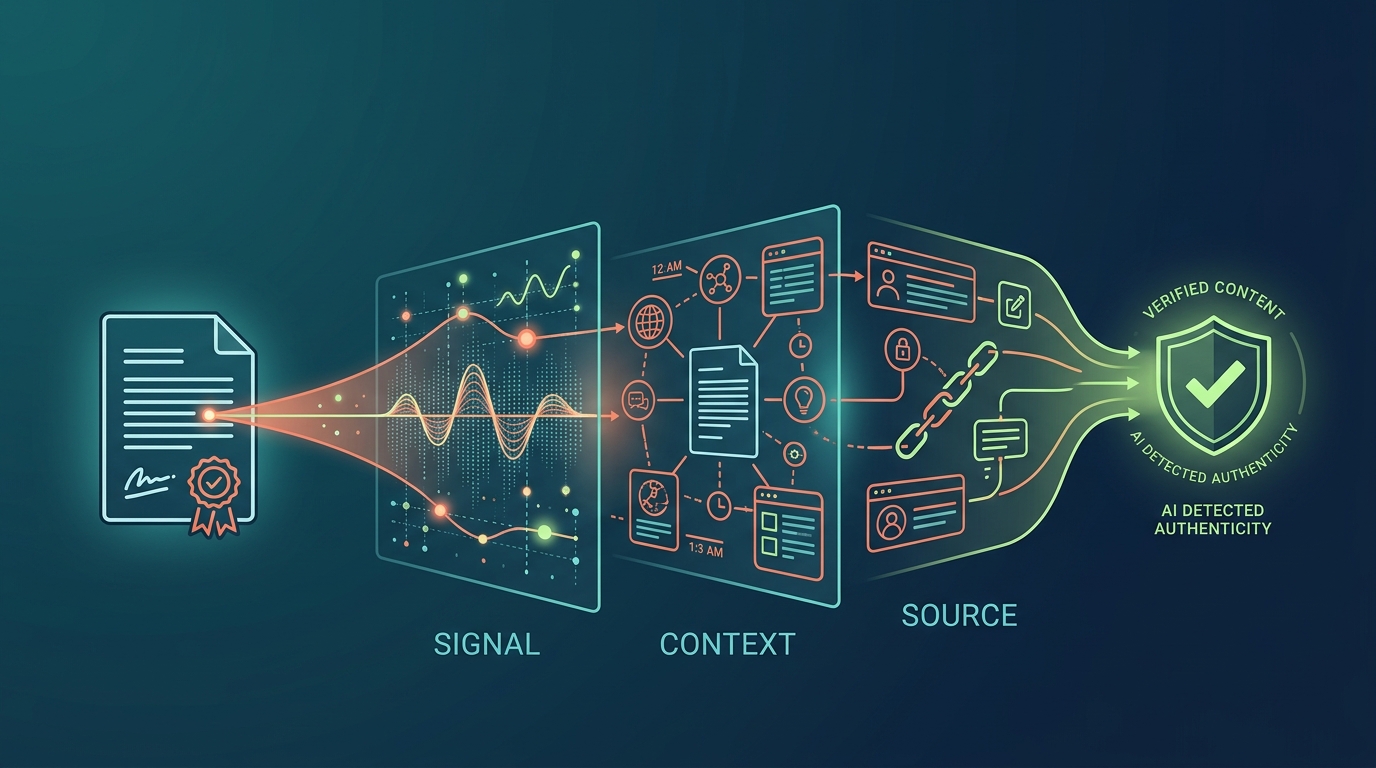
Content authenticity depends on sourcing, author voice, original insight, and transparent assistance. AI detection helps by showing which passages deserve review, but it should be paired with editorial judgment.
Publishers can start with content verification or publishing team workflows. Marketing teams can use AI content review before publishing SEO drafts.
Review signals that matter
Editors should check whether examples are specific, claims are sourced, citations support the text, and the final draft reflects real expertise. Detection is one signal in that authenticity review.
FAQ
Does Google penalize AI content?
The safer question is whether the content is helpful, reliable, and people-first. Detection can help teams find generic or unsupported AI-assisted passages before publication.
What should be revised?
Revise vague claims, unsupported facts, weak examples, and passages that do not reflect the author or brand voice.
Practical checklist
Before publishing or escalating a result, confirm the audience, the document type, and the decision risk. Save the detector result with reviewer notes, check whether examples are specific, verify sources, and decide whether the author should revise, disclose AI assistance, or provide draft history.
This keeps content authenticity review connected to real editorial quality instead of reducing the process to a binary label.
Frequently Asked Questions
Can a content authenticity workflow rely on an AI detector alone?
No. An AI detector flags passages that deserve a closer look, but authenticity also depends on sourcing, original insight, and author voice. Treat the detector score as one signal inside a broader editorial review.
How accurate are AI detectors, and how do I handle false positives?
No detector is perfect, so heavily edited or formulaic human writing can occasionally be flagged. Use the result to prompt review rather than as a verdict, and confirm with draft history, citations, and the author before making a decision.
Should publishers disclose when content was AI-assisted?
Disclosure is a judgment call that depends on audience expectations and document type, but transparency about meaningful AI assistance generally builds trust. Pair disclosure with real editorial review so the final draft still reflects genuine expertise.
What should an editor verify before publishing an AI-assisted draft?
Check that examples are specific, claims are sourced, citations actually support the text, and the voice matches the author or brand. Save the detector result with reviewer notes, then decide whether to revise, disclose, or request draft history.
Share
Related Posts

Writing Integrity
Google does not penalize content for being AI-assisted. It rewards helpful, original work and demotes thin, unedited output. Here is what actually matters.
Jun 24, 2026
Writing Integrity
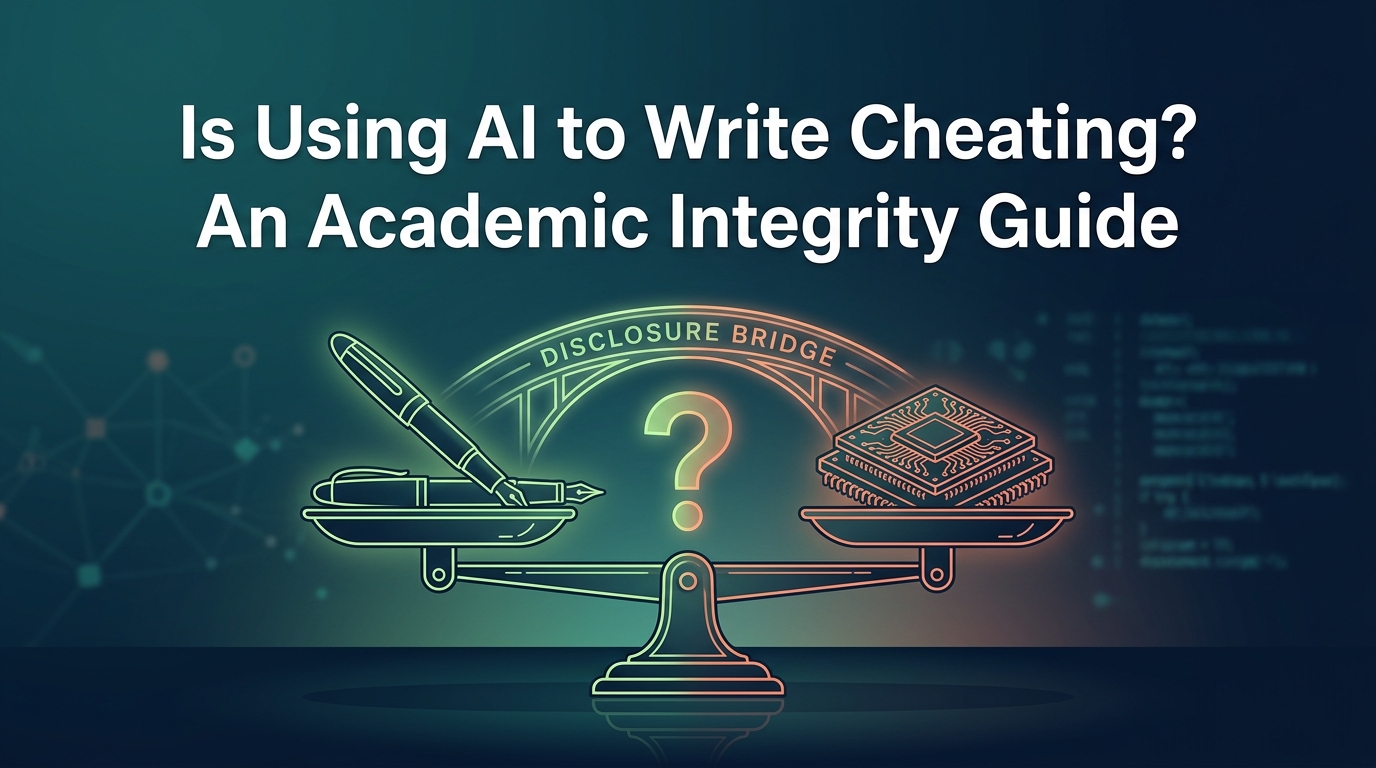
Whether AI writing counts as cheating depends on disclosure, policy, and how the tool is used. A balanced guide for students and educators.
Jun 24, 2026
Writing Integrity
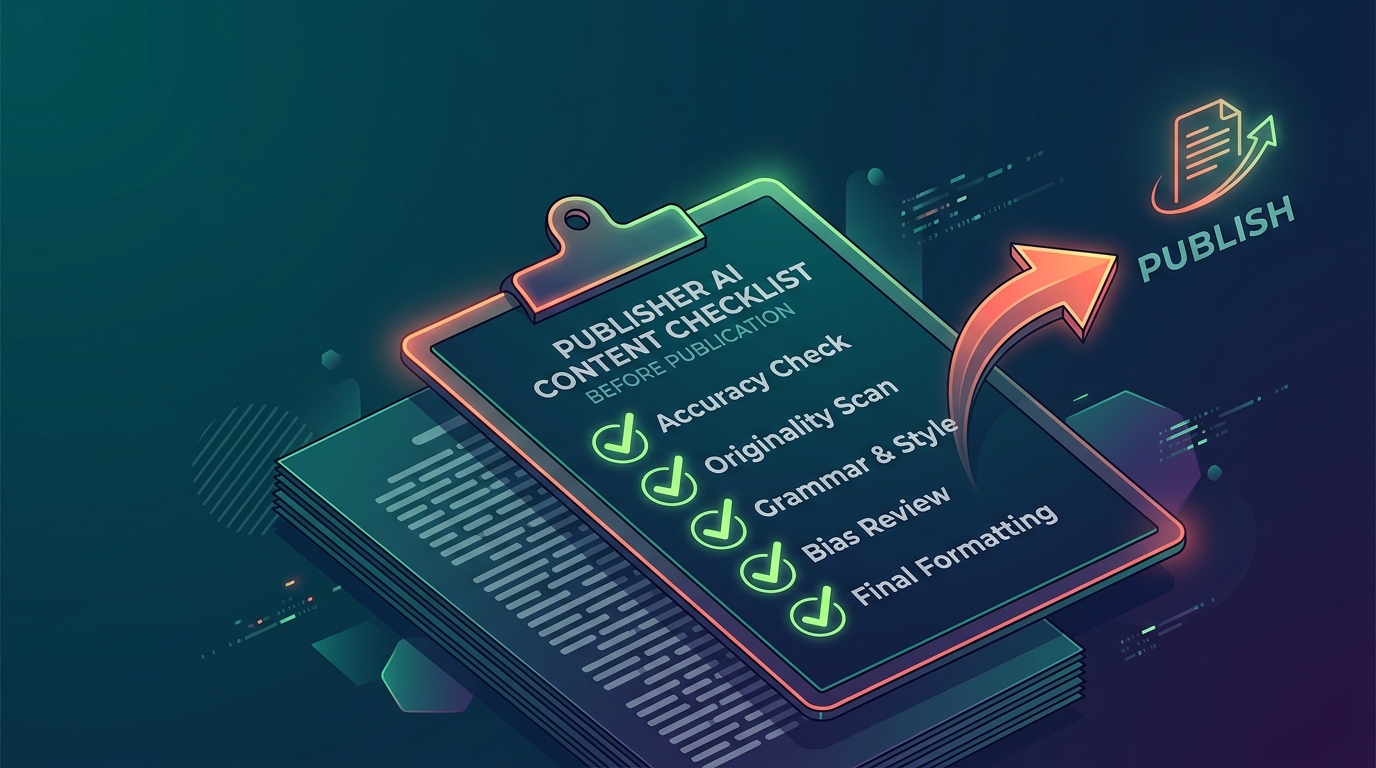
A pre-publication checklist for publishers reviewing AI-assisted drafts, sources, author disclosure, originality, and editorial quality.
May 31, 2026