Writing Integritypublished on May 31, 2026
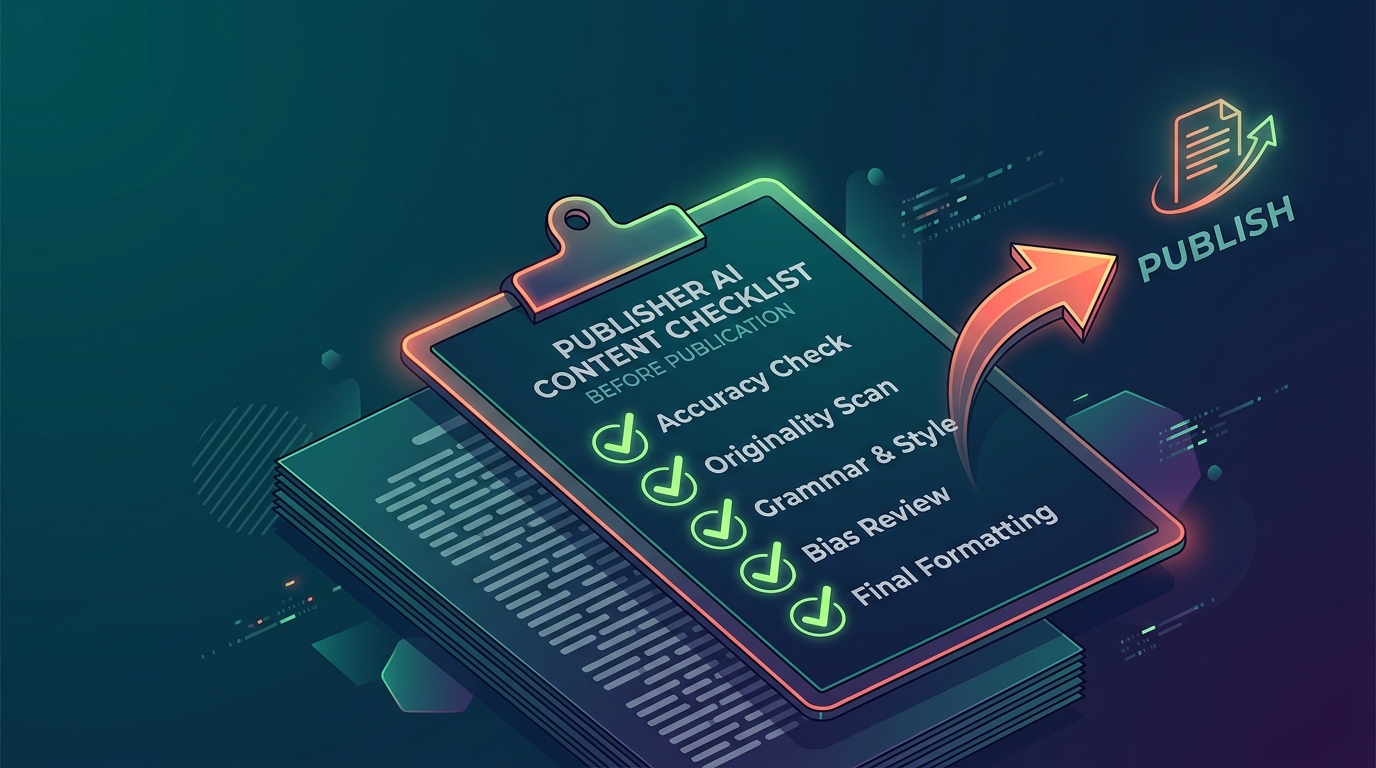
Publisher AI Content Checklist Before Publication
Why publishers need a checklist
AI-assisted content can look polished while still lacking sources, examples, or author judgment. A checklist helps editors review quality and authenticity consistently before content goes live.
Start with content verification and publishing team workflows. Pair detection with citation support and source review.
Pre-publication checks
Confirm the author and assignment. Run AI detection for review evidence. Check whether flagged passages are generic or unsupported. Verify every factual claim. Ask for disclosure when policy requires it. Improve examples, source quality, and audience usefulness before publication.
Decision record
Keep a short record of what was checked, what was revised, and why the final decision was made. This builds editorial consistency without turning detection into a binary gate.
FAQ
Should every freelancer draft be checked?
Teams can start with high-risk topics, new writers, or content that makes factual claims. Over time, the checklist can become part of normal editorial intake.
What is the best outcome after a flag?
The best outcome is often a better draft: clearer sourcing, stronger examples, more author context, and explicit disclosure where required.
Frequently Asked Questions
How often should publishers update their AI content checklist?
Review the checklist at least quarterly, since AI writing tools and detection methods change quickly. Update it whenever your disclosure policy shifts or a new content risk appears.
Does a high AI detection score mean the draft should be rejected?
No. A detection score is review evidence, not a verdict, and should prompt a closer look at sourcing, accuracy, and author judgment. Many flagged drafts can be published after revision rather than rejected outright.
What should be included in an editorial decision record?
Note who reviewed the draft, which checks were run, what was revised, and the reasoning behind the final publish or hold decision. A short record keeps editorial standards consistent and defensible over time.
How can editors verify factual claims in AI-assisted drafts?
Trace each claim back to a credible primary or named source rather than trusting fluent phrasing. Tools like a citation generator help, but a human still needs to confirm the source actually supports the statement.
Share
Related Posts
Writing Integrity
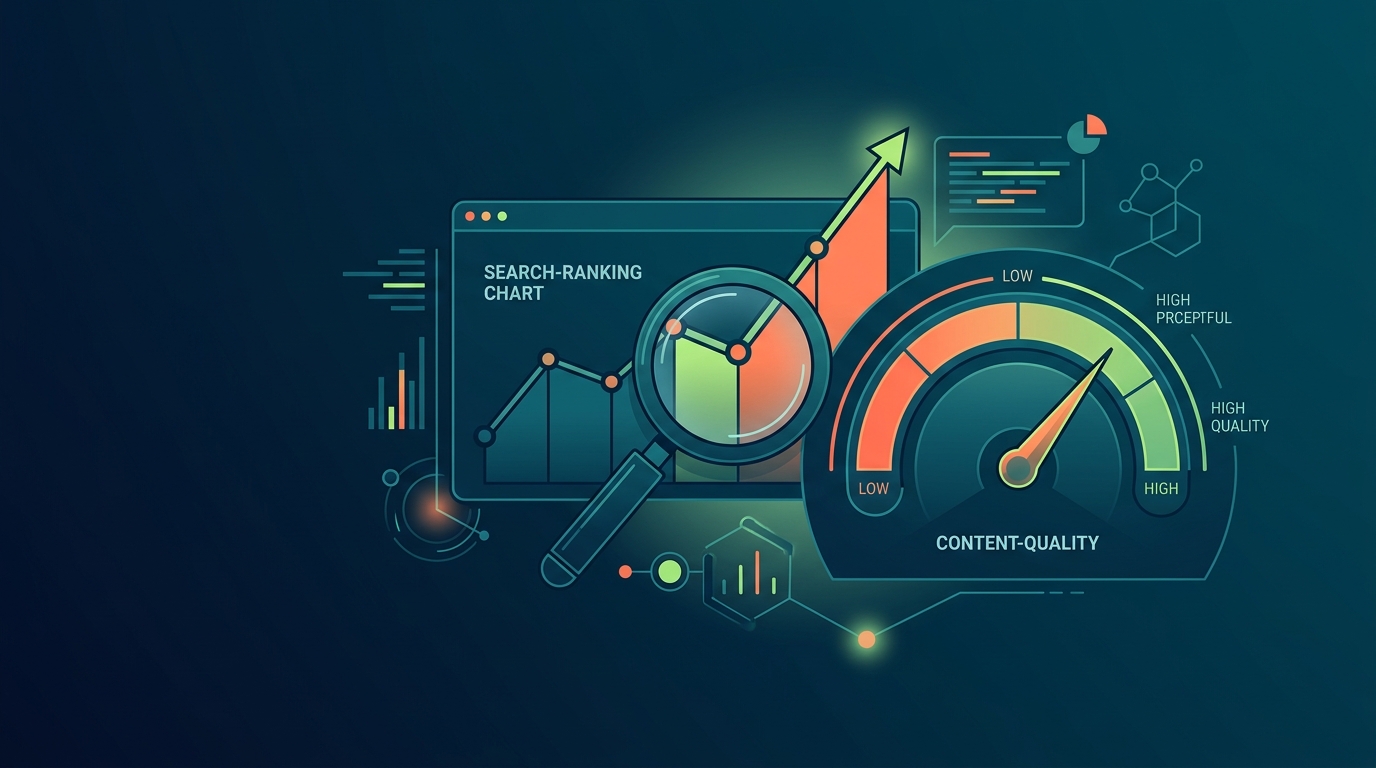
Google does not penalize content for being AI-assisted. It rewards helpful, original work and demotes thin, unedited output. Here is what actually matters.
Jun 24, 2026
Writing Integrity
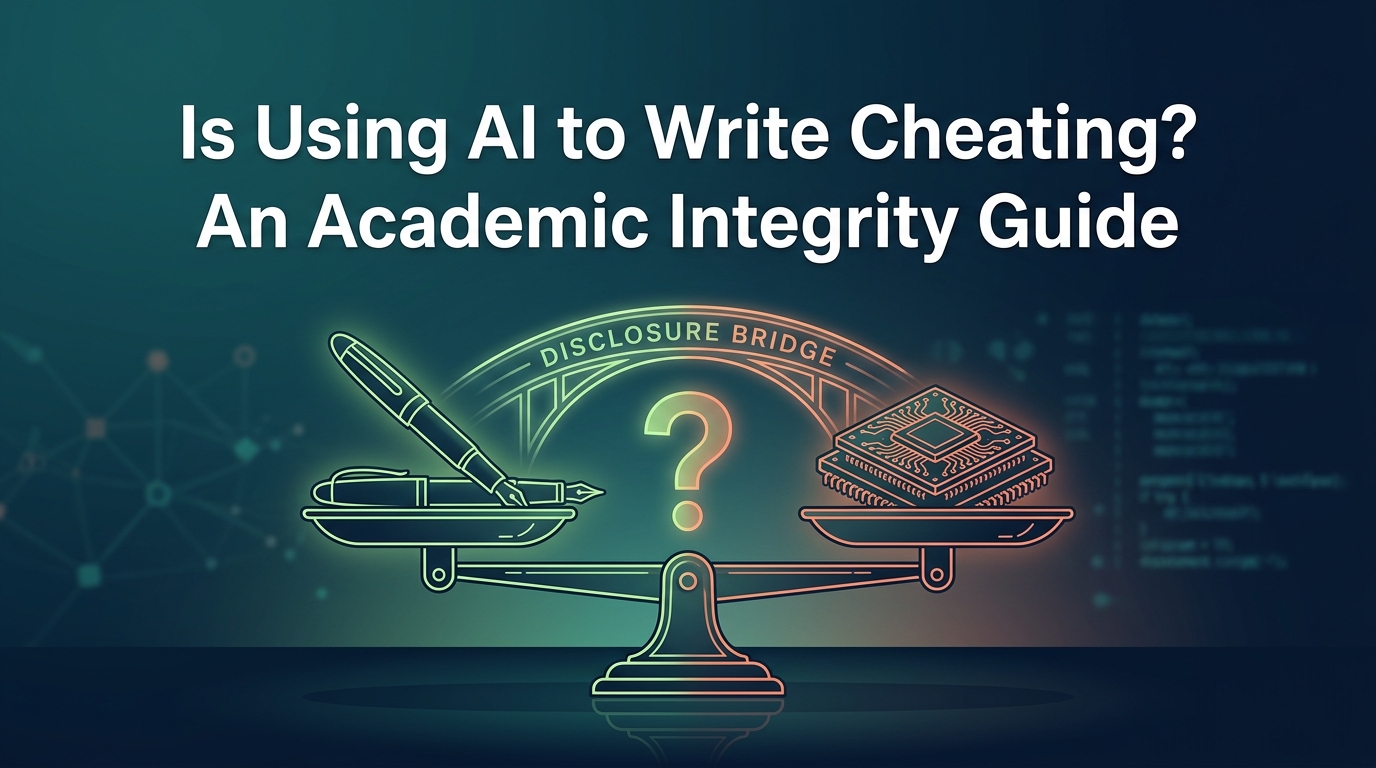
Whether AI writing counts as cheating depends on disclosure, policy, and how the tool is used. A balanced guide for students and educators.
Jun 24, 2026
Writing Integrity
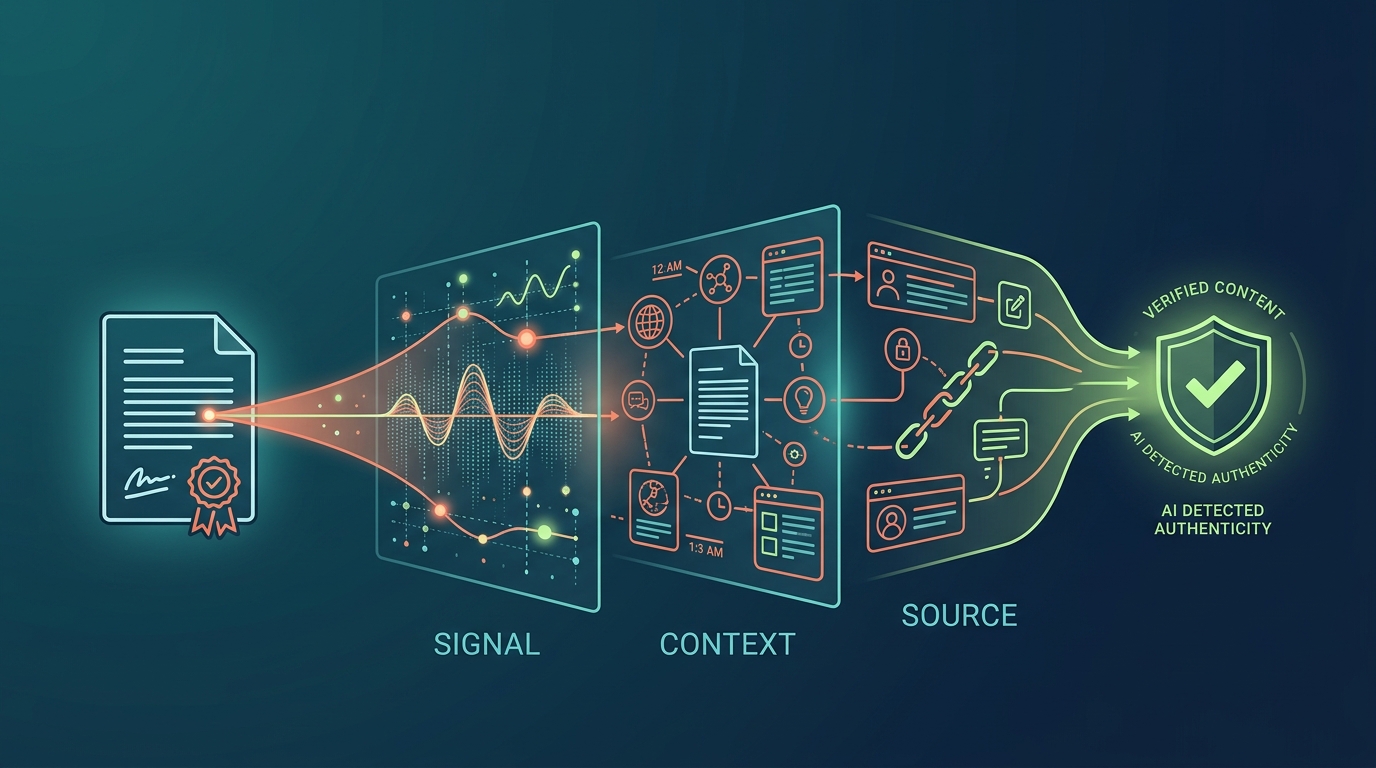
How publishers and content teams can use AI detection to protect authenticity, verify sources, and improve AI-assisted drafts responsibly.
May 31, 2026