Writing Integritypublished on Jun 24, 2026
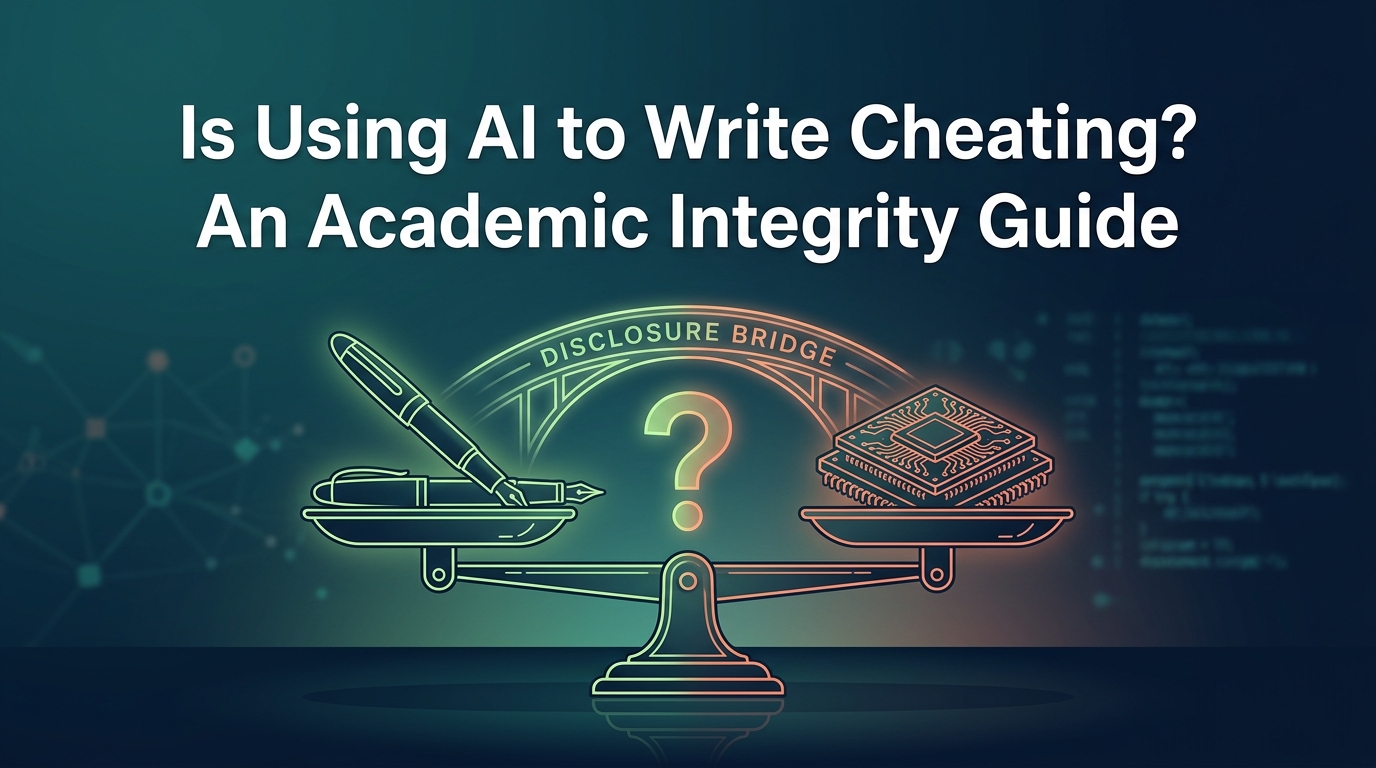
Is Using AI to Write Cheating? An Academic Integrity Guide
The short answer is that it depends. Using AI to write is not automatically cheating, and it is not automatically permitted either. What matters is the policy you are working under, whether you disclosed the help, and how the tool shaped the work. The same prompt can be responsible in one classroom and a violation in another.
Why "it depends" is the honest answer
Academic integrity has never been about a specific tool. It is about representing work as your own and following the rules of the assignment. A calculator is forbidden on some exams and required on others. AI is similar: the line is drawn by the instructor and the institution, not by the technology.
When AI writing crosses into cheating
AI use tends to become a violation when it removes your own thinking and you present the result as unaided work. Common red flags include:
- Submitting AI-generated text as your original writing when policy forbids it.
- Hiding AI involvement the assignment required you to disclose.
- Letting the model produce analysis or conclusions you cannot explain.
- Using AI on an assessment designed to measure your unaided ability.
When AI writing is legitimate
Many uses are widely accepted. Brainstorming directions, checking grammar, restructuring a messy paragraph, or summarizing a source for your own understanding can support learning rather than replace it. The test is whether you remain the author of the ideas and whether the use is allowed and disclosed. A responsible writing assistant should improve clarity, not manufacture content you did not think through.
Disclosure is the deciding factor
When in doubt, disclose. A short note describing what you used AI for, plus saved drafts and source notes, turns a gray area into a defensible record.
What educators and reviewers should do
Detection is a signal, not a verdict. A flagged passage deserves a closer, fair look, not an automatic accusation. Reviewers should read the evidence behind a score, compare it with drafts and citations, and let authors explain. To understand what these signals measure, see the methodology behind the analysis, and treat the AI Detector as one input in a documented process. If your policy treats AI as a source, attribute it with a citation generator.
A simple rule of thumb
Ask three questions before submitting: Does my policy allow this? Have I disclosed what I did? Can I explain and defend every idea as my own? If all three are yes, you are on solid ground. If any answer is no, pause and check first.
Frequently Asked Questions
Is using AI to write always cheating?
No. It depends on your course or workplace policy, whether you disclosed the help, and how much of the thinking the AI did. Allowed and disclosed use is not cheating; hidden, prohibited use generally is.
Is using AI for grammar and editing allowed?
Usually, yes. Grammar checks, restructuring, and clarity edits are commonly accepted because they refine your own ideas rather than generate new ones. Still confirm your specific policy, since some assessments restrict any assistance.
Do I have to tell my instructor I used AI?
If your policy requires disclosure, yes. Even when it does not, a brief note about how you used AI, plus saved drafts, protects you and removes ambiguity if your work is reviewed.
Can an AI detector prove that I cheated?
No. A detector produces a probability signal, not proof. It indicates where a reviewer should look more closely, and it should always be weighed alongside drafts, citations, and a conversation with the author.
Share
Related Posts
Writing Integrity
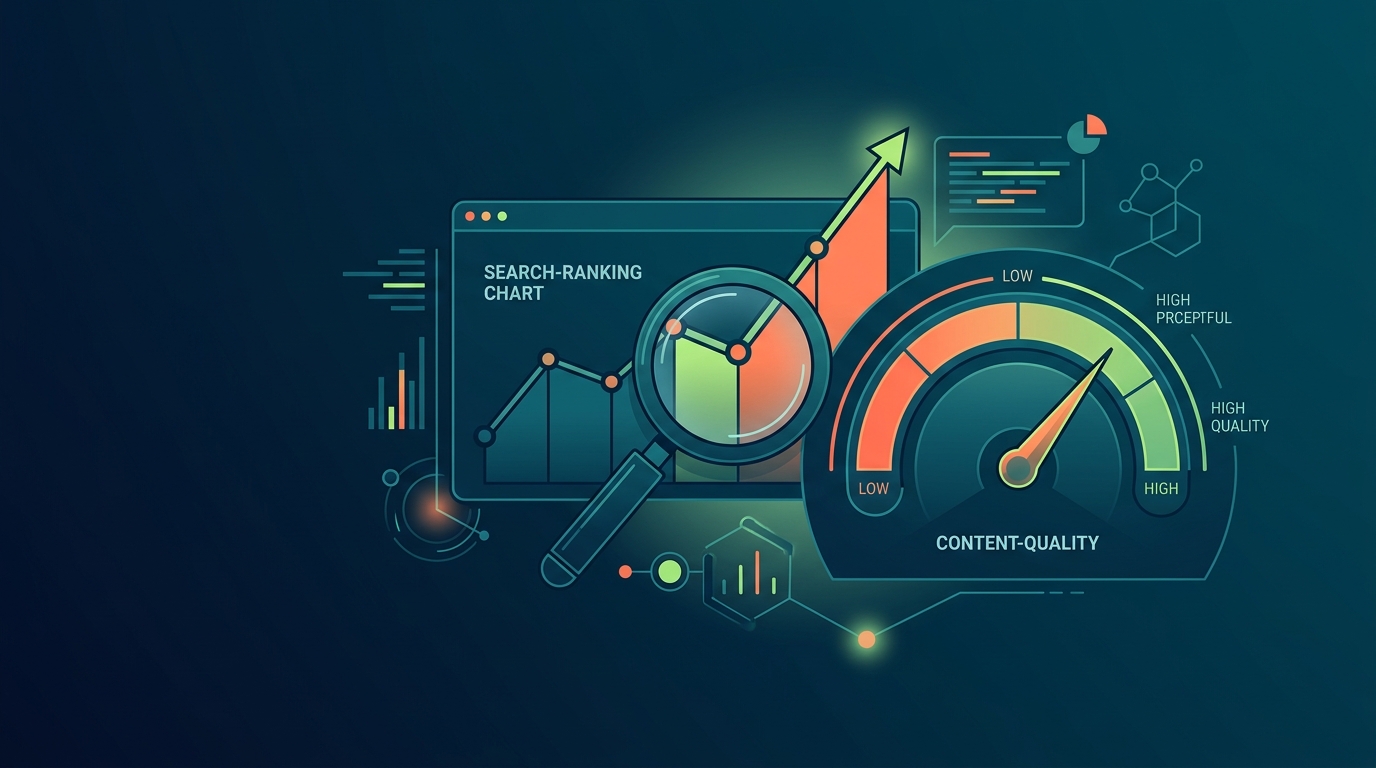
Google does not penalize content for being AI-assisted. It rewards helpful, original work and demotes thin, unedited output. Here is what actually matters.
Jun 24, 2026
Writing Integrity
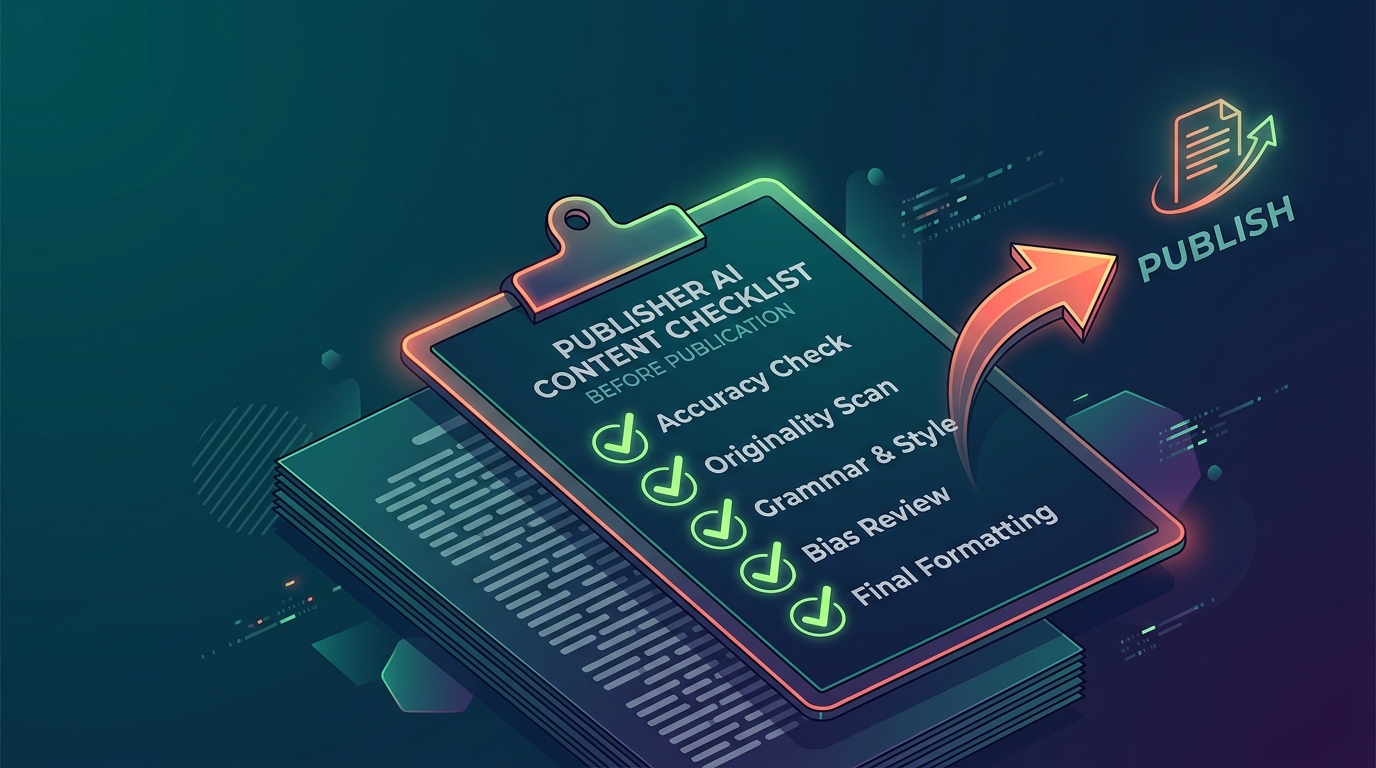
A pre-publication checklist for publishers reviewing AI-assisted drafts, sources, author disclosure, originality, and editorial quality.
May 31, 2026
Writing Integrity
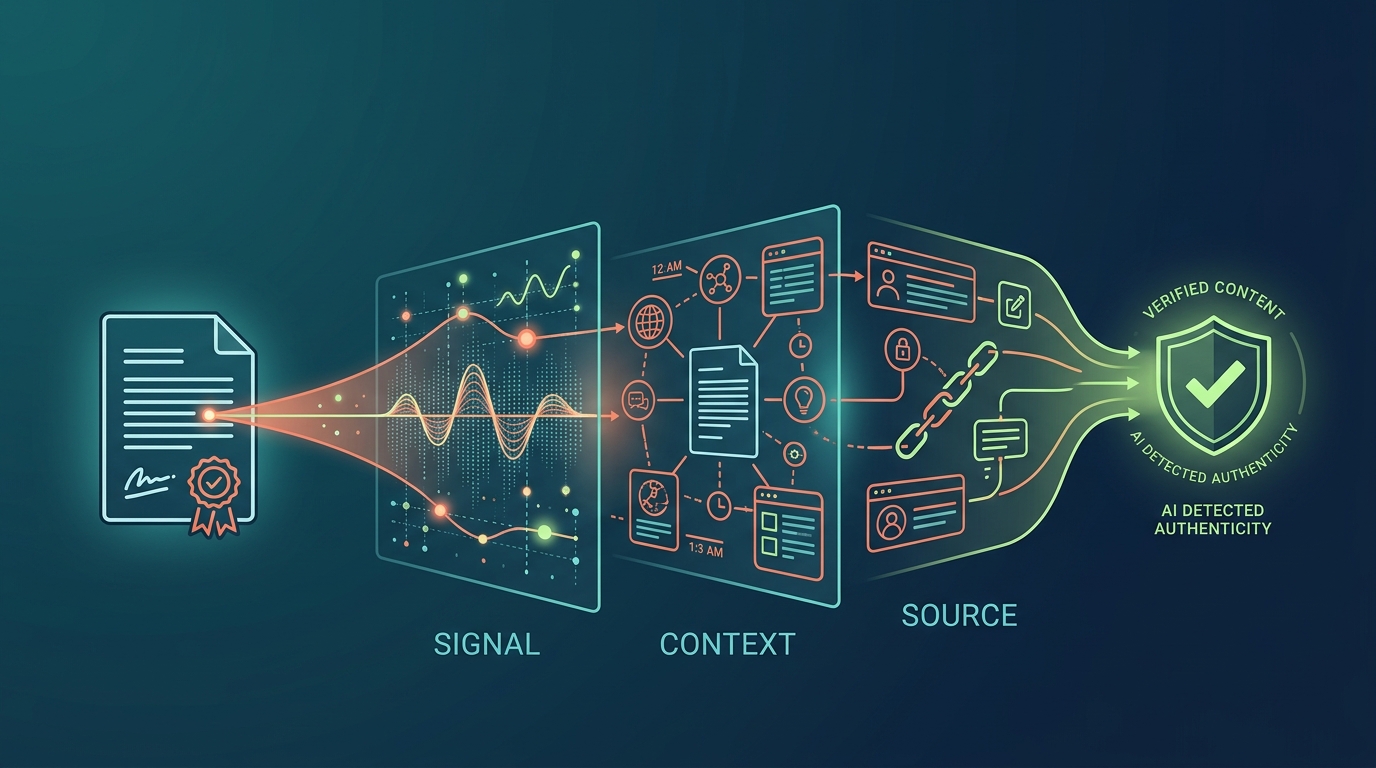
How publishers and content teams can use AI detection to protect authenticity, verify sources, and improve AI-assisted drafts responsibly.
May 31, 2026