
Writing Integritypublished on May 31, 2026
AI Detector Accuracy Explained
What accuracy means in AI detection
AI detector accuracy is not just a single percentage. It depends on text length, editing history, language, topic, and whether the writing was fully generated, lightly assisted, or human-written with formulaic structure.
Start with the overview at AI detector accuracy, then compare edge cases with AI detector false positives. For a deeper view of scoring logic, use the methodology page.
False positives and false negatives
A false positive marks human writing as AI-like. A false negative misses AI-assisted text. Both matter. Short texts, polished templates, and non-native writing can be harder to classify. Long drafts with consistent paragraph patterns usually provide more evidence.
Better interpretation workflow
Use confidence bands, passage-level highlights, and reviewer notes. Ask what decision will be made from the result and what additional evidence is needed. In academic, hiring, publishing, or compliance settings, a detector should trigger review, not act as the final decision maker.
FAQ
Why do accuracy claims vary by vendor?
Vendors test on different datasets, languages, text lengths, and definitions of AI assistance. A useful accuracy page should explain the testing context instead of presenting a number without boundaries.
How should low-confidence results be handled?
Low-confidence results should be routed to human review or treated as inconclusive. They are useful for prioritization, not final decisions.
What improves reliability?
Longer samples, clear document type, passage-level review, and comparison with known writing all improve interpretation. Strong processes reduce the harm caused by both false positives and false negatives.
Frequently Asked Questions
Can an AI detector prove that text was written by AI?
No. A detector estimates the likelihood that text resembles AI-generated writing, but it cannot prove authorship. Treat a high score as a signal to review, not as evidence on its own.
Why do non-native English writers get flagged more often?
Non-native and highly formulaic writing can share statistical patterns with AI text, such as simpler sentence structures and predictable word choices. This raises the risk of false positives, so results from these writers deserve extra human review.
Does editing or paraphrasing AI text fool the detector?
Light edits often lower the score but may not remove every signal, while heavy rewriting can make detection unreliable. This is why detection works best alongside context like draft history and writing samples rather than as a standalone check.
How long should a sample be for a reliable AI detection result?
Longer passages give the detector more evidence and usually produce more stable results, while very short texts are easy to misclassify. Aim for at least a few full paragraphs, and treat short snippets as inconclusive.
Share
Related Posts

Writing Integrity
Google does not penalize content for being AI-assisted. It rewards helpful, original work and demotes thin, unedited output. Here is what actually matters.
Jun 24, 2026
Writing Integrity
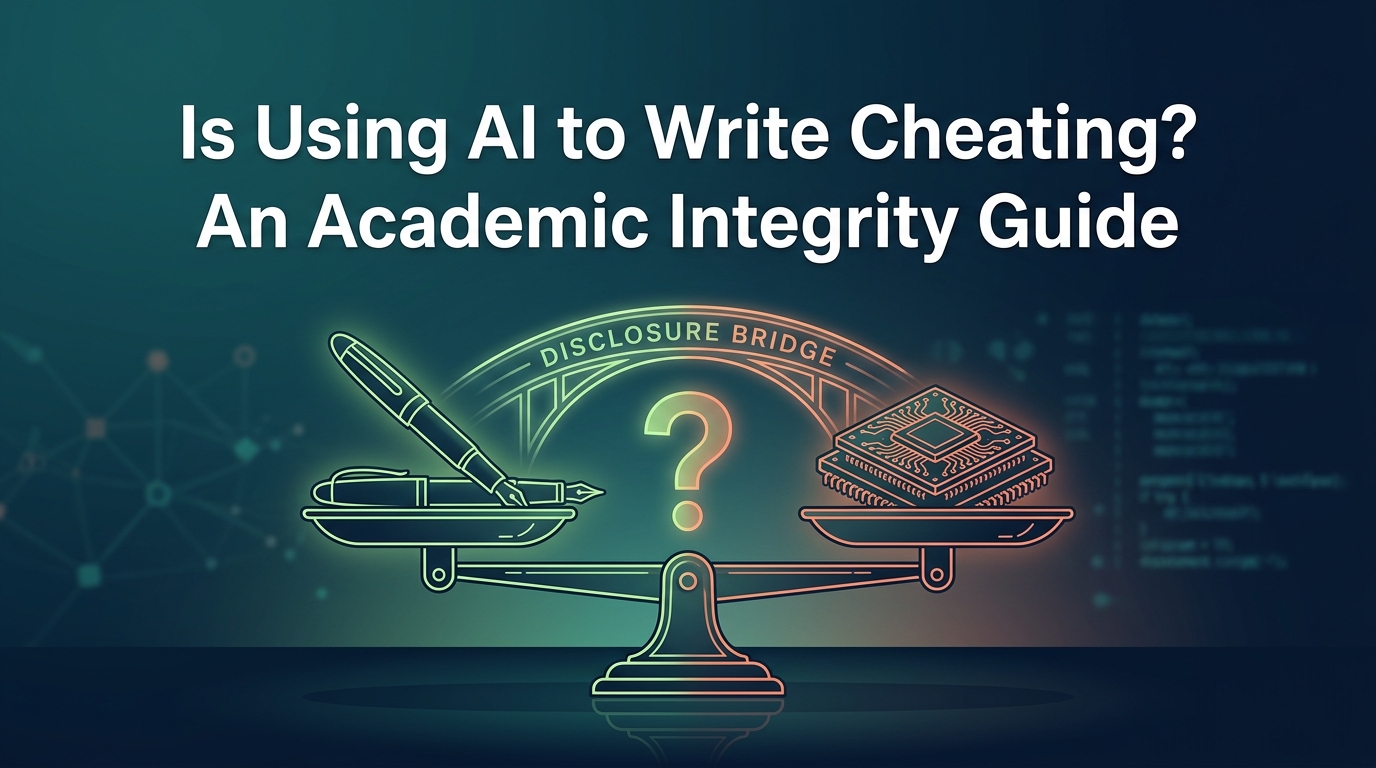
Whether AI writing counts as cheating depends on disclosure, policy, and how the tool is used. A balanced guide for students and educators.
Jun 24, 2026
Writing Integrity
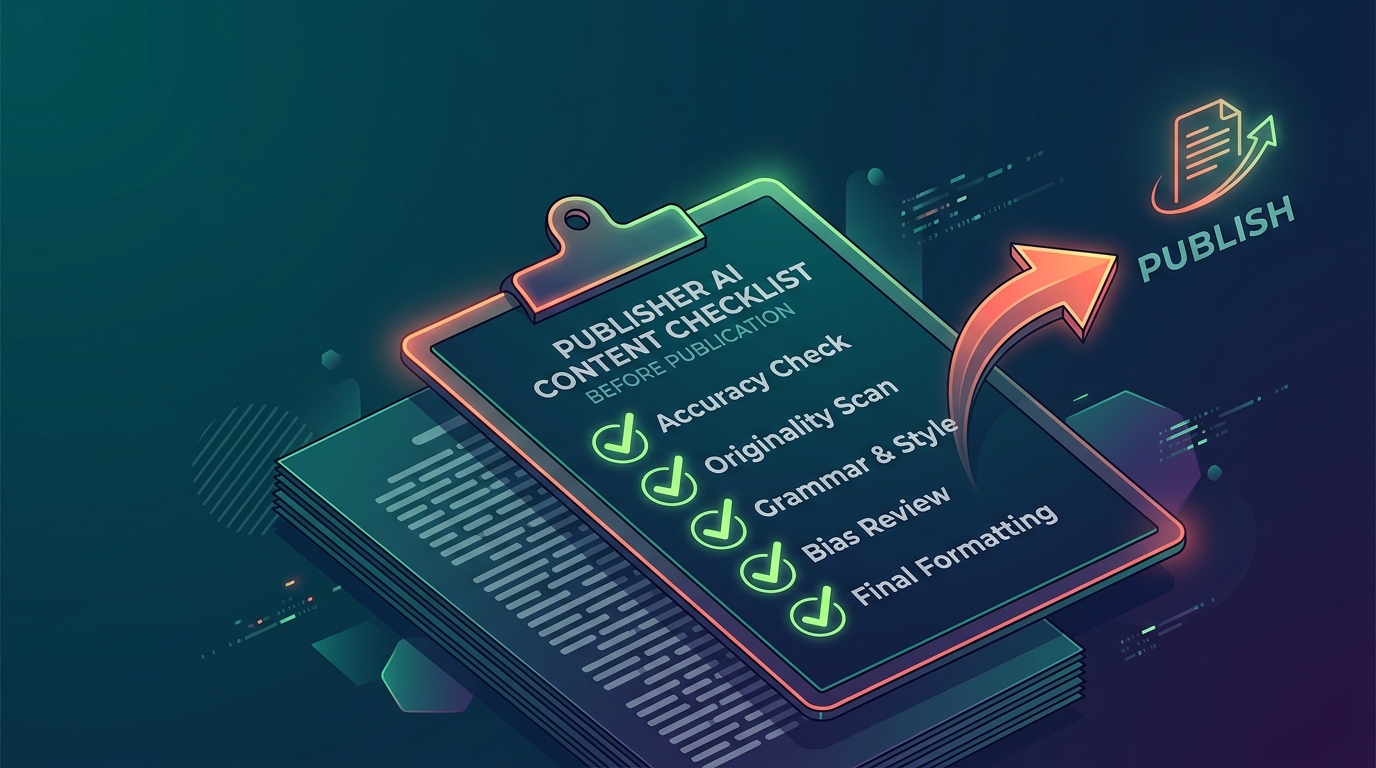
A pre-publication checklist for publishers reviewing AI-assisted drafts, sources, author disclosure, originality, and editorial quality.
May 31, 2026