Research & Citationpublished on May 31, 2026
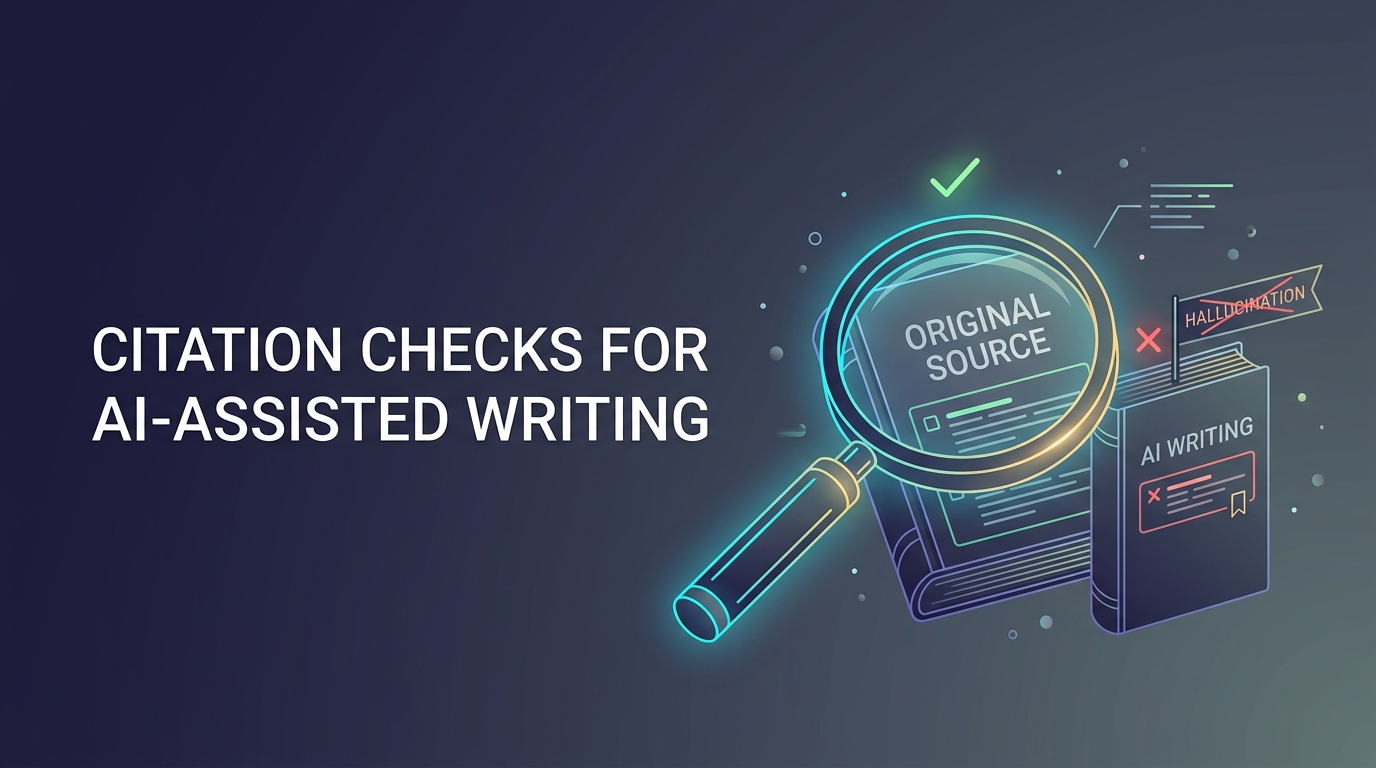
Citation Checks for AI-Assisted Writing
Why citations are the first place to check
AI-assisted writing can sound fluent while still misrepresenting sources. Citation review is one of the fastest ways to separate a useful draft from a risky one. Every factual claim should be tied to a source that actually supports it.
Start with the citation generator for formatting, then use scholar search to locate stronger sources. For longer assignments, connect the workflow to the research paper review page.
What to verify
Check whether the source exists, whether the cited passage says what the draft claims, and whether the source is appropriate for the assignment. Watch for fabricated article titles, real sources attached to unrelated claims, and vague references that cannot be traced.
Pair citation checks with AI detection
If a passage is flagged as AI-like and also contains weak citations, it deserves deeper review. The goal is not to punish tool use automatically. The goal is to produce a draft where evidence, authorship, and disclosure are clear enough for a reader to trust.
FAQ
What is the fastest citation risk check?
Pick three important factual claims and verify that each source exists, is relevant, and supports the exact claim. If one fails, review the whole source list more carefully.
Can AI create fake citations?
Yes. AI systems can produce plausible titles, authors, journals, or links that do not support the text. This is why citation verification should happen before publication or submission.
How does this connect to originality?
Originality is not only about who typed the words. It also depends on whether the argument is supported, attributed, and transparent about assistance.
Frequently Asked Questions
How do I check if an AI-generated citation is real?
Search for the exact title, author, and publication in a library catalog or scholar database, and confirm the DOI or URL actually resolves to the cited work. If you cannot find the source independently, treat the citation as unverified until proven otherwise.
Why does AI invent citations that look correct?
Language models predict plausible text rather than retrieve verified records, so they can assemble realistic author names, journal titles, and page numbers that never existed together. The formatting looks right because the model has seen thousands of real citations, but the underlying source may be fabricated.
Do I need to recheck citations after rewriting or humanizing a draft?
Yes, because rewriting can shift a sentence away from what the original source actually supports, even when the citation stays attached. Re-verify that each cited passage still matches the claim after any AI-assisted edit.
Is using AI to help format citations considered academic misconduct?
Formatting help is generally acceptable, but submitting unverified or fabricated sources is not, regardless of how they were produced. Always confirm the source exists, supports your claim, and follow your institution's disclosure rules for AI assistance.
Share
Related Posts
Research & Citation
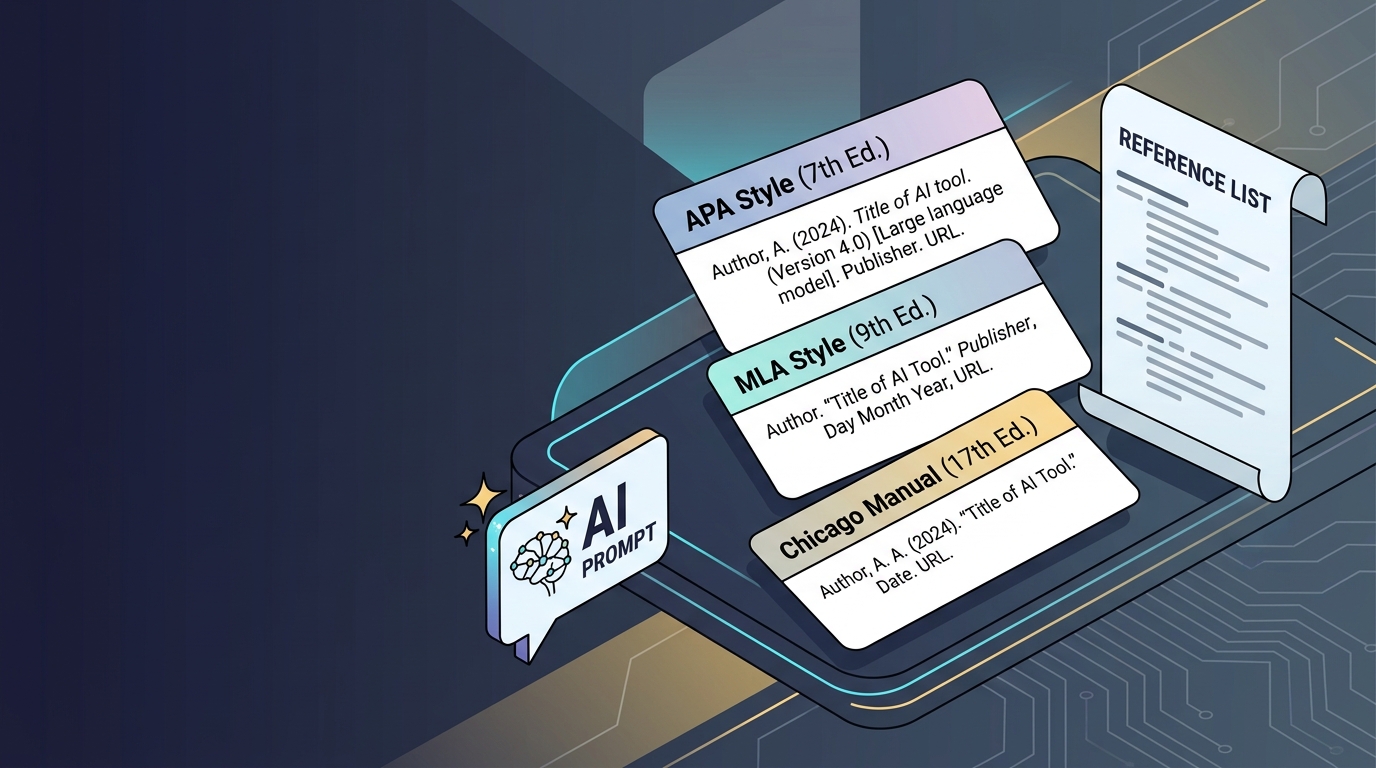
When you use ChatGPT, Claude, or Gemini in your work, you need to cite it. Here are correct APA, MLA, and Chicago formats with examples.
Jun 24, 2026
Research & Citation
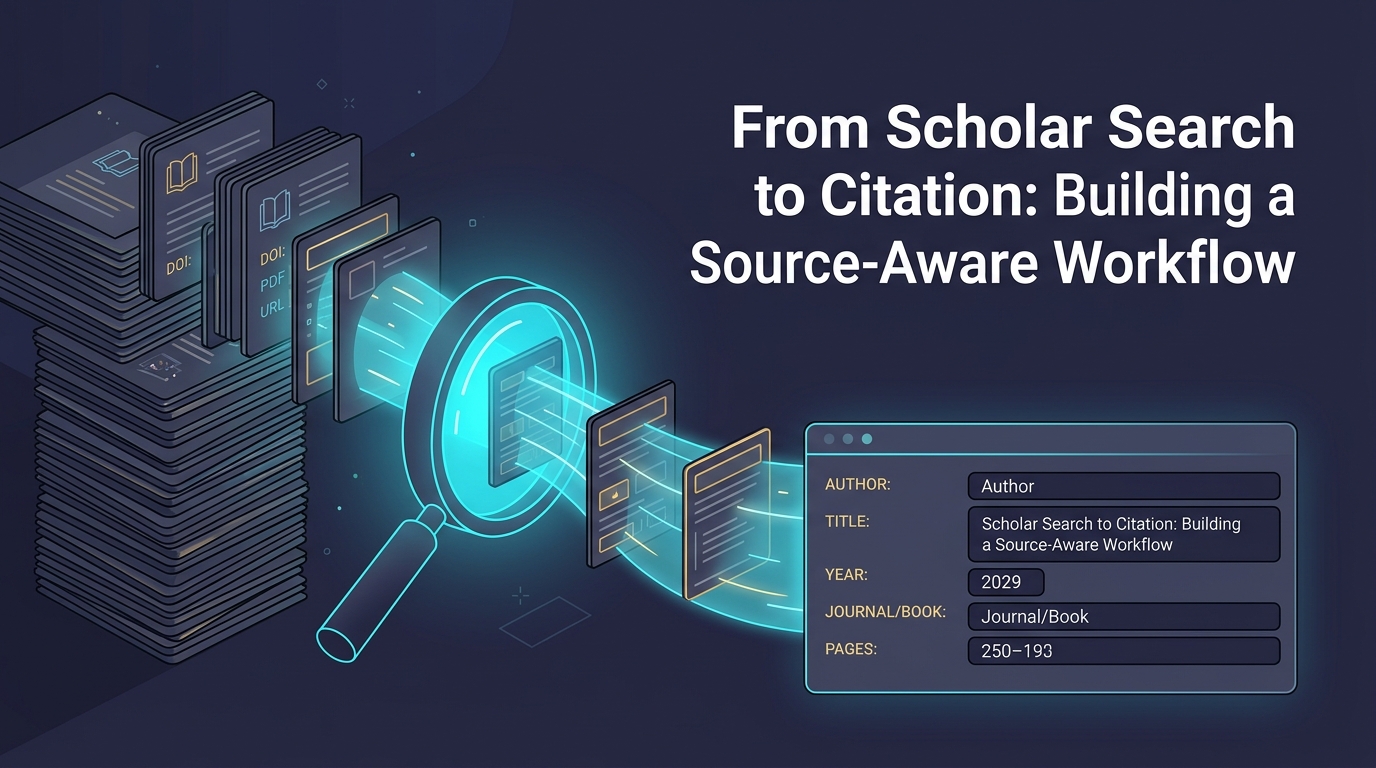
Use scholar search, summaries, and citation checks together so research writing stays grounded in real sources.
May 30, 2026