AI Humanizerpublished on Jun 24, 2026
Humanizing AI Text: What Works and What Gets Flagged
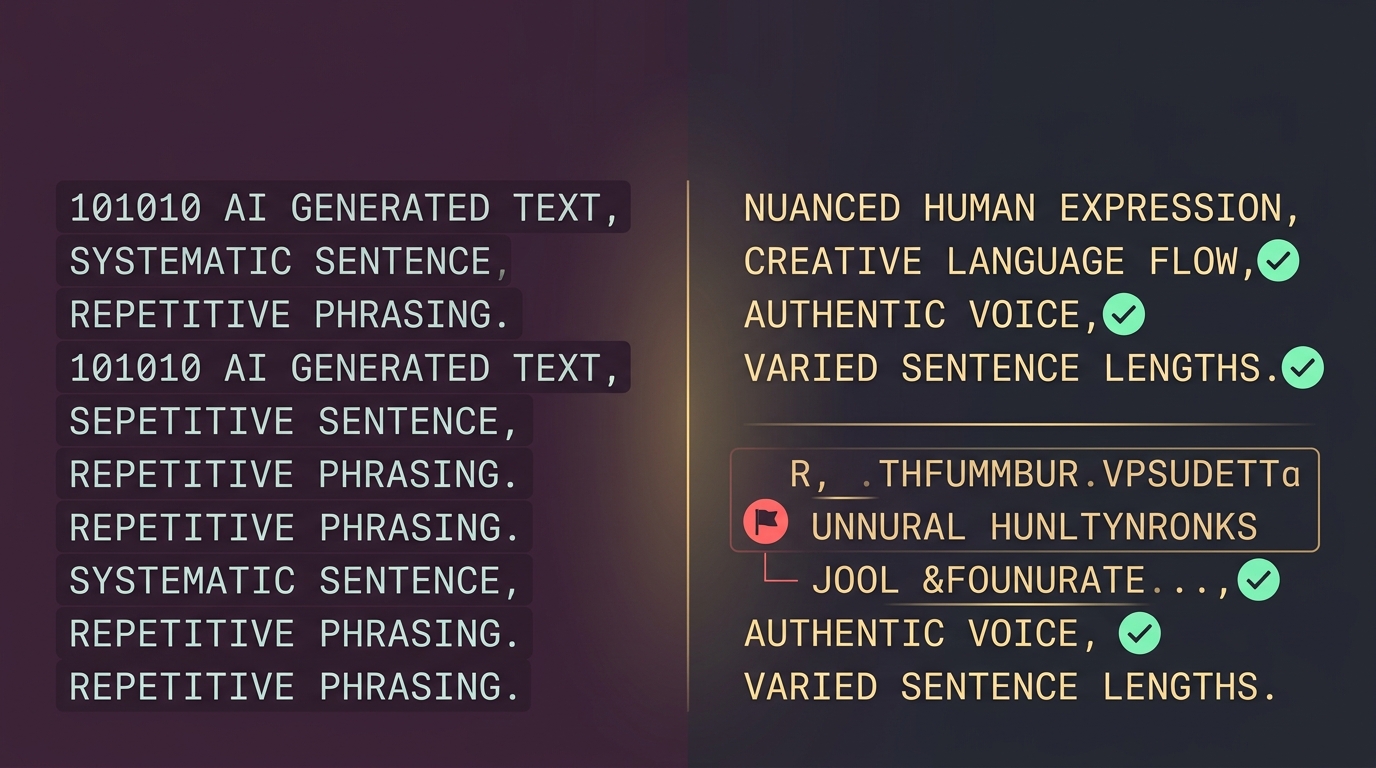
Humanizing AI text is often sold as a way to slip past detectors. That framing leads to fragile, dishonest work. The responsible version of humanizing is different: it means taking a draft and giving it real judgment, evidence, and voice so it genuinely reflects a person's thinking. When you do that, clarity improves and review becomes easier, not harder.
What humanizing actually means
A raw AI draft tends to be smooth but generic. It states things without sourcing them, repeats sentence shapes, and rarely commits to a point of view. Humanizing is the work of replacing that generic surface with substance. You add lived detail, you cite where claims come from, and you let the argument carry a real opinion. The goal is authenticity, not camouflage.
The mindset shift
Ask whether the edit makes the text more true to your thinking, not whether it confuses a model. If a change only exists to trick a detector, it usually weakens the writing and rarely survives a careful human reader anyway.
Edits that genuinely work
The most effective changes are the ones a good editor would make regardless of any tool. They tend to leave the text clearer and better supported.
- Add specific evidence. Replace vague claims with named sources, figures, or examples you can defend.
- Bring in real experience. A short anecdote or observation only you could write is the strongest signal of authenticity.
- Vary structure honestly. Break repetitive patterns because they are dull, not to game a score.
- Cut hedging and filler. Commit to a position and remove the padding an AI draft leans on.
If you want help reshaping phrasing while keeping meaning intact, a focused rewriter can speed up early passes, but the substance still has to come from you.
Shortcuts that get flagged
Some popular tactics are designed purely to defeat detection, and they tend to backfire. Swapping words for awkward synonyms, inserting invisible characters, or mangling syntax produces text that reads strangely and often still trips signals like low variation and odd phrasing. Worse, it makes the writing harder to trust. Reviewers notice when prose is contorted, and many institutions treat deliberate evasion as its own integrity issue.
Why evasion is fragile
Detection signals shift, but the underlying problem does not: deceptive edits do not add meaning. A passage with no real evidence stays hollow no matter how it is scrambled. Honest revision is the only approach that holds up across readers, tools, and time.
How to check your work responsibly
After revising, run the result through a tool like the AI Detector as one signal among several. Read it as review evidence, not a verdict. If a passage still reads as generic, the fix is more substance, not more obfuscation. A thoughtful AI Humanizer workflow should leave you with clearer claims, real sourcing, and a voice you can stand behind in front of any reviewer.
The bottom line
Humanizing works when it makes text more honest and more yours. It gets flagged, and rightly so, when it only tries to disguise authorship. Aim for the first kind of work and the detection question mostly takes care of itself.
Frequently Asked Questions
Is humanizing AI text the same as bypassing detection?
No. Bypassing aims to deceive a detector. Responsible humanizing improves clarity, evidence, and voice so the text genuinely reflects your thinking, which also makes review easier.
Will adding synonyms or special characters help?
Generally no. These tricks make prose read awkwardly, often still trigger detection signals, and can be treated as deliberate evasion by reviewers or institutions.
What is the single most effective edit?
Adding specific, defensible evidence and real experience. Concrete detail only you could write is the strongest marker of authentic authorship.
Should I trust a detector score after humanizing?
Treat it as one signal, not a final verdict. If a passage still reads as generic, add more substance rather than trying to obscure it further.
Share
Related Posts

AI Humanizer
How marketers and editors can review Jasper-assisted drafts, brand voice, SEO quality, and disclosure before publishing.
May 31, 2026

AI Humanizer
How marketing teams can review AI-assisted SEO drafts, outsourced content, and brand copy with detection, evidence, and responsible revision.
May 31, 2026
AI Humanizer
A responsible approach to humanizing AI-assisted text by improving clarity, evidence, voice, and disclosure instead of hiding authorship.
May 31, 2026