AI Humanizerpublished on May 30, 2026
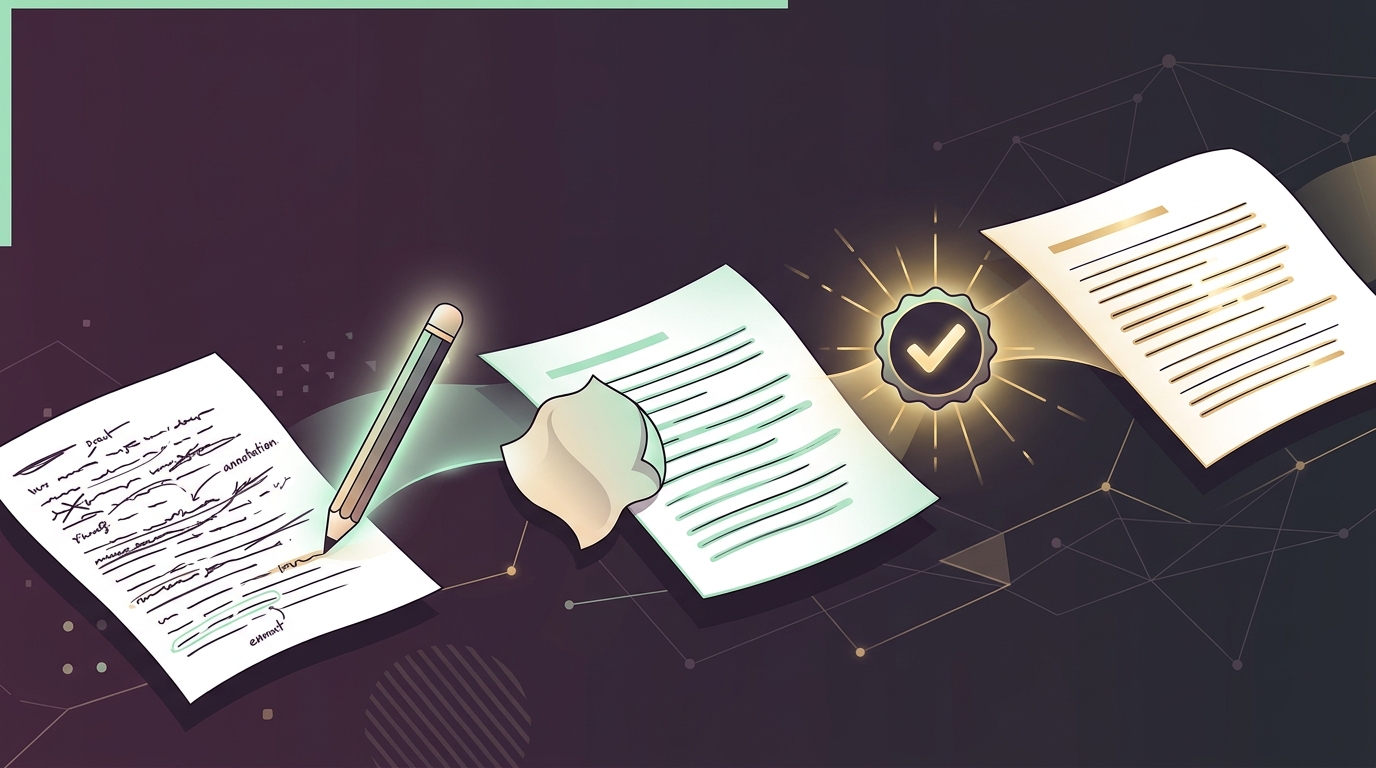
A Responsible AI Humanizer Workflow for Writers
An AI humanizer should help a writer make a draft clearer, more specific, and easier to read. It should not be used to hide authorship or bypass review policies.
Keep the meaning stable
Before rewriting, define what must stay unchanged: claims, citations, names, numbers, and source relationships. A good rewrite improves expression without changing evidence.
Add human context
Strong human revision often adds concrete examples, domain details, and clear reasoning. Generic rewriting is rarely enough for serious academic or professional work.
Review the final text
After using GPTZeroAI Humanizer, read the output against the original draft. Confirm that it is accurate, transparent, and appropriate for the publication or classroom context.
What responsible humanizing should preserve
A responsible revision should preserve facts, source meaning, citations, and disclosure context. Use the responsible AI humanizer guide and the humanizer versus paraphrasing comparison when deciding whether a draft needs sentence-level rewriting or deeper author review.
Suggested workflow
- Run an AI-writing review before major edits.
- Revise generic claims with specific examples and source support.
- Run the detector again to identify passages that still need context.
- Document AI assistance where school, publisher, or workplace policy requires it.
Frequently Asked Questions
Is using an AI humanizer considered cheating?
It depends on intent and policy. Using a humanizer to improve clarity, specificity, and readability of your own ideas is usually acceptable, but using it to disguise undisclosed AI generation or bypass review rules can violate academic and workplace integrity policies.
Will humanizing text lower its GPTZeroAI detection score?
Surface-level rewriting may shift wording, but the most reliable way to read as genuinely human is to add original reasoning, concrete examples, and source-specific detail. Hollow paraphrasing often still reads as generic and provides little real value.
How do I keep citations and facts accurate while humanizing a draft?
Before rewriting, lock down the claims, names, numbers, and citations that must not change, then revise only the expression around them. After humanizing, compare the output to the original to confirm no evidence or source meaning was altered.
Do I need to disclose that I used an AI humanizer?
Follow the disclosure rules of your school, publisher, or employer, since requirements vary. When a policy asks you to document AI assistance, note where and how the tool was used rather than hiding it.
Share
Related Posts
AI Humanizer
Responsible humanizing means improving clarity and authenticity, not evading detection. Learn the edits that hold up and the shortcuts that get flagged.
Jun 24, 2026

AI Humanizer
How marketers and editors can review Jasper-assisted drafts, brand voice, SEO quality, and disclosure before publishing.
May 31, 2026

AI Humanizer
How marketing teams can review AI-assisted SEO drafts, outsourced content, and brand copy with detection, evidence, and responsible revision.
May 31, 2026