AI Detectionpublished on May 31, 2026
Detecting Claude, Gemini, and GPT-5 Writing
Why model-specific detection matters
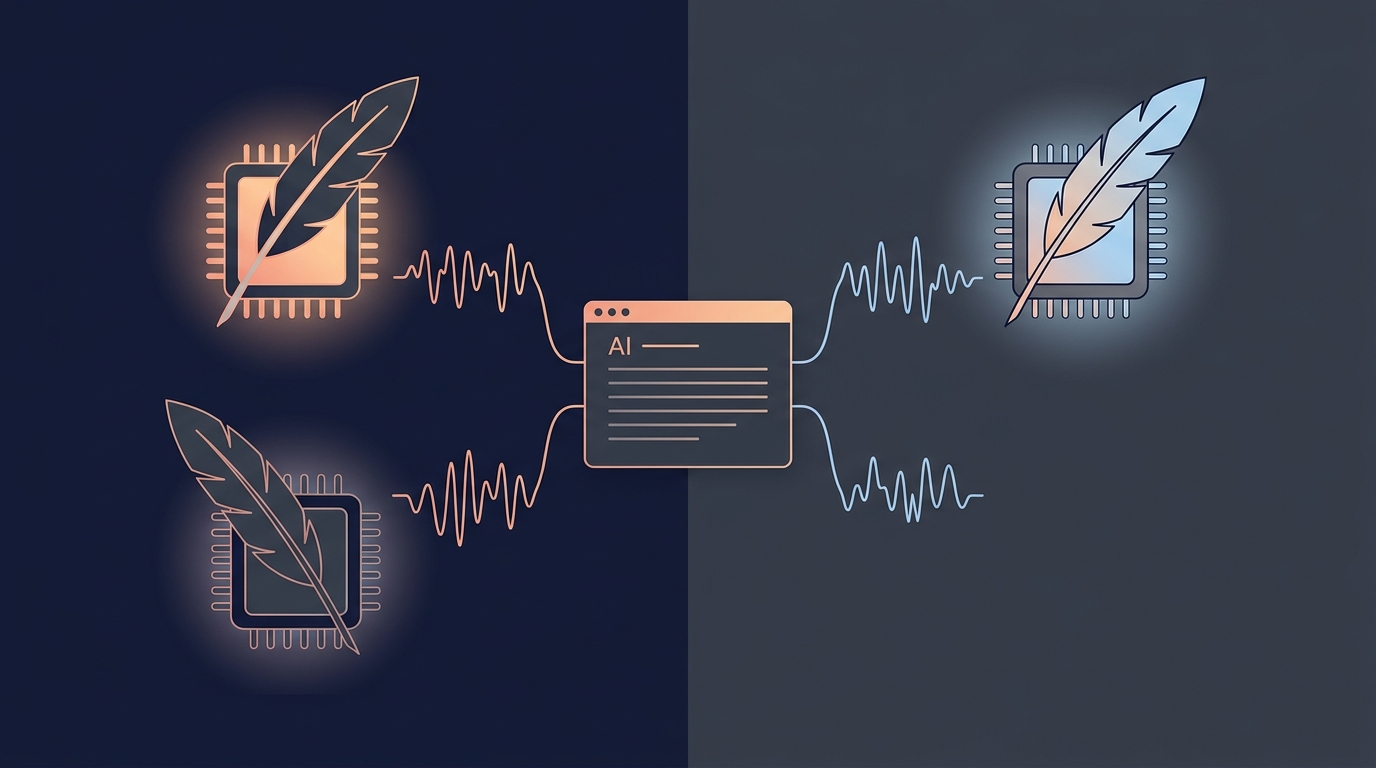
AI writing is no longer tied to one model. A document may include text drafted with Claude, Gemini, GPT-5, another assistant, or several tools across revision stages. Model-specific pages help searchers understand the limits of detection and the right review process.
Use the Claude detector, Gemini detector, and GPT-5 detector resources as entry points for model-aware review. For broad checks, use the main AI detector.
What changes between models
Different assistants can produce different sentence rhythm, hedging patterns, citation behavior, and summary style. Those signals are useful, but they are not identity proofs. A careful review asks whether the passage is unusually generic, whether sources are verifiable, and whether the style matches the writer.
How to avoid overclaiming
Do not say that a detector proves a specific model wrote the text. Instead, describe whether the text resembles model-generated writing and which review evidence supports that concern. This protects students, teams, and publishers from making decisions based on a single label.
FAQ
Can detection identify the exact model?
Usually no. A detector can show that a passage resembles AI-generated writing, but exact model attribution needs much stronger evidence. Treat model pages as workflow guidance, not forensic proof.
What if text was edited after AI drafting?
Mixed authorship is common. Review the final draft, the revision trail, and the claims inside the text. Heavy human editing may reduce AI-like signals while still requiring disclosure in some policies.
How should teams document model concerns?
Use neutral wording such as AI-like writing patterns or model-assisted drafting indicators. Avoid claiming that a specific model wrote the text unless the author disclosed it or tool logs confirm it.
Frequently Asked Questions
Is there a separate detector for Claude, Gemini, and GPT-5?
The same underlying analysis powers each view, but the Claude detector, Gemini detector, and GPT-5 detector pages frame the result around model-aware review. They guide your workflow rather than guaranteeing which model produced the text.
Why do AI detectors sometimes flag human writing?
Detectors measure statistical patterns like low burstiness and predictable phrasing, which some careful human writers naturally produce. Always treat a score as one signal and confirm it against the revision history and source verification before acting.
Can newer models like GPT-5 evade detection?
Newer models often produce smoother, more varied text, which can lower detection confidence. This is why model pages emphasize evidence such as verifiable sources and writing-style consistency rather than relying on a single score.
How should a teacher or editor respond to a high AI score?
Open a conversation rather than issuing an accusation: ask for drafts, notes, or sources, and compare the style to the writer's known work. Document concerns with neutral wording like "AI-like writing patterns" instead of naming a specific model.
Share
Related Posts

AI Detection
A fair, factual comparison of how Turnitin and GPTZeroAI approach AI detection, with a focus on workflow, transparency, and evidence reviewers can act on.
Jun 24, 2026

AI Detection
AI-assisted applications are now common. Learn how recruiters can use AI detection as a fair signal in resume and cover letter screening without auto-rejecting candidates.
Jun 24, 2026

AI Detection
ChatGPT, Claude, and Gemini each leave different writing fingerprints. Here is what actually changes detectability, and why no model is reliably invisible.
Jun 24, 2026