AI Detectionpublished on Jun 24, 2026
Turnitin vs GPTZeroAI: How AI Detection Differs
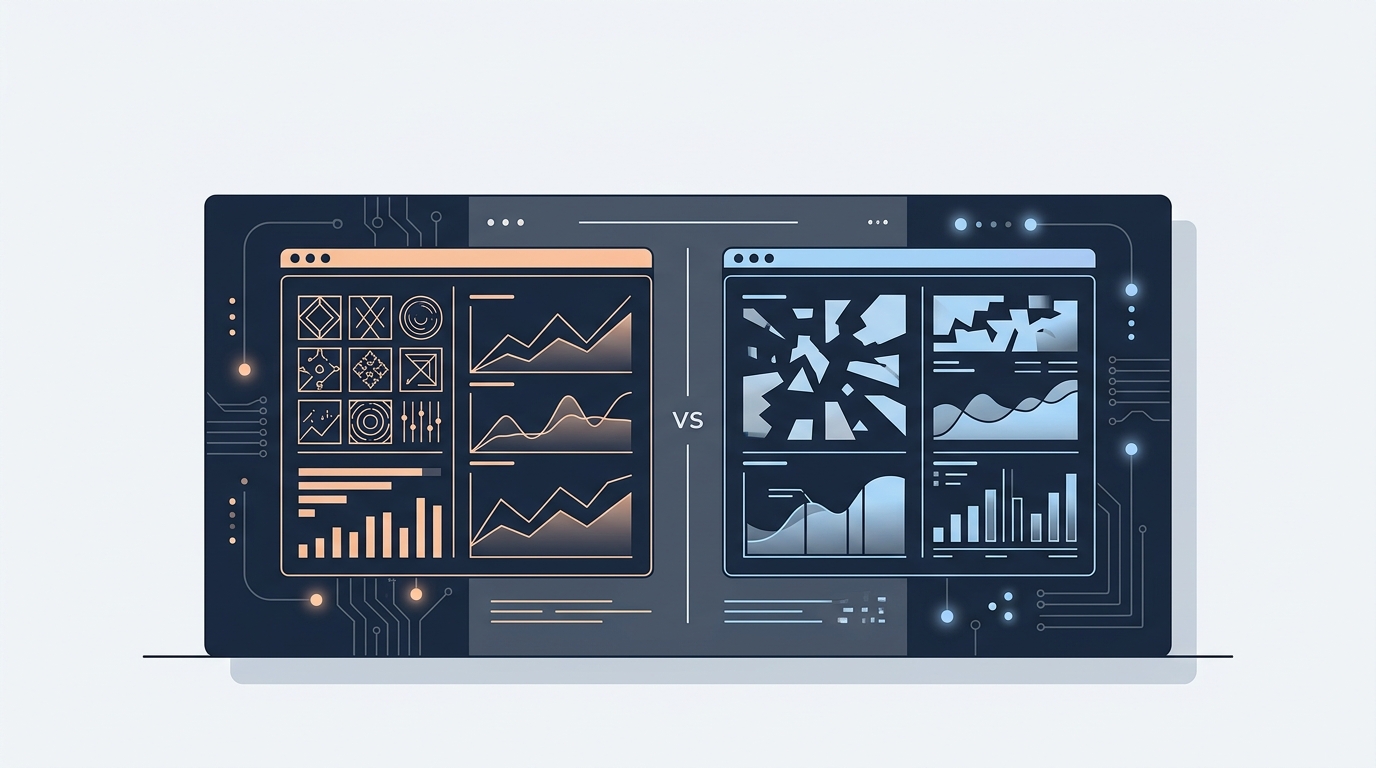
Turnitin and GPTZeroAI both help institutions and teams review whether writing may have been AI-generated, but they approach the problem from different starting points. Turnitin grew out of plagiarism and similarity checking embedded in academic systems, while GPTZeroAI is built around standalone AI detection and a transparent review workflow. This comparison focuses on where the two differ in practice, not on which is universally better.
Where each tool comes from
Turnitin is widely adopted in education and integrates AI indicators alongside its established similarity reports. For many institutions, that means AI signals arrive inside a tool reviewers already use for submissions and grading. GPTZeroAI, by contrast, is designed first as an AI Detector that any reviewer, editor, or team can use directly, without requiring a full submission system.
Workflow differences
The biggest practical difference is where the work happens.
- Turnitin typically lives inside a learning management system, so AI indicators surface during an existing grading flow.
- GPTZeroAI works as a direct check that fits classrooms, newsrooms, and content teams alike, with no dependency on a specific submission platform.
- Both are intended to support a human decision rather than replace it.
Teams that already run everything through Turnitin may value the integration. Teams that review writing across many sources often prefer a tool they can point at any document.
Transparency and evidence
A detection score is only as useful as the evidence behind it. GPTZeroAI is built to show passage-level signals such as sentence consistency, low variation, and repetitive phrasing, and it publishes its approach openly so reviewers can explain a result. You can read how the analysis works in the methodology overview. The goal is an explainable signal a reviewer can defend, not a single opaque percentage.
Reading any score responsibly
No detector is perfect, and that applies to every tool in this category. Treat scores as review signals, not verdicts. Compare flagged passages against drafts, citations, and the document's purpose before drawing a conclusion. Understanding detector accuracy and false-positive risk helps reviewers avoid overreacting to a number.
Choosing what fits your workflow
If your organization is deeply invested in a single submission and grading system, an integrated indicator may reduce friction. If you review writing from many sources, or you want transparent, passage-level evidence you can share with an author, a dedicated detector offers more flexibility. Many teams use more than one signal and document their review process either way.
Frequently Asked Questions
Is GPTZeroAI a replacement for Turnitin?
Not exactly. Turnitin combines similarity and AI indicators inside a submission system, while GPTZeroAI is a standalone detector you can point at any document. Some teams use both for different purposes.
Which tool is more accurate?
No detector is perfect, and accuracy depends on the text and context. Rather than claim one always wins, GPTZeroAI focuses on transparent, passage-level evidence so reviewers can interpret a result responsibly.
Can I use GPTZeroAI without a learning management system?
Yes. GPTZeroAI works as a direct check that does not require a specific submission or grading platform, which suits newsrooms and content teams as well as classrooms.
Should an AI score alone decide an outcome?
No. Both tools are meant to support a human decision. Compare flagged passages with drafts, citations, and document purpose before acting on any score.
Share
Related Posts
AI Detection
AI-assisted applications are now common. Learn how recruiters can use AI detection as a fair signal in resume and cover letter screening without auto-rejecting candidates.
Jun 24, 2026
AI Detection
ChatGPT, Claude, and Gemini each leave different writing fingerprints. Here is what actually changes detectability, and why no model is reliably invisible.
Jun 24, 2026

AI Detection
AI detectors can flag human writing by mistake. Learn what drives false positives and how to build a fair, evidence-based review workflow.
Jun 24, 2026