AI Detectionpublished on May 31, 2026
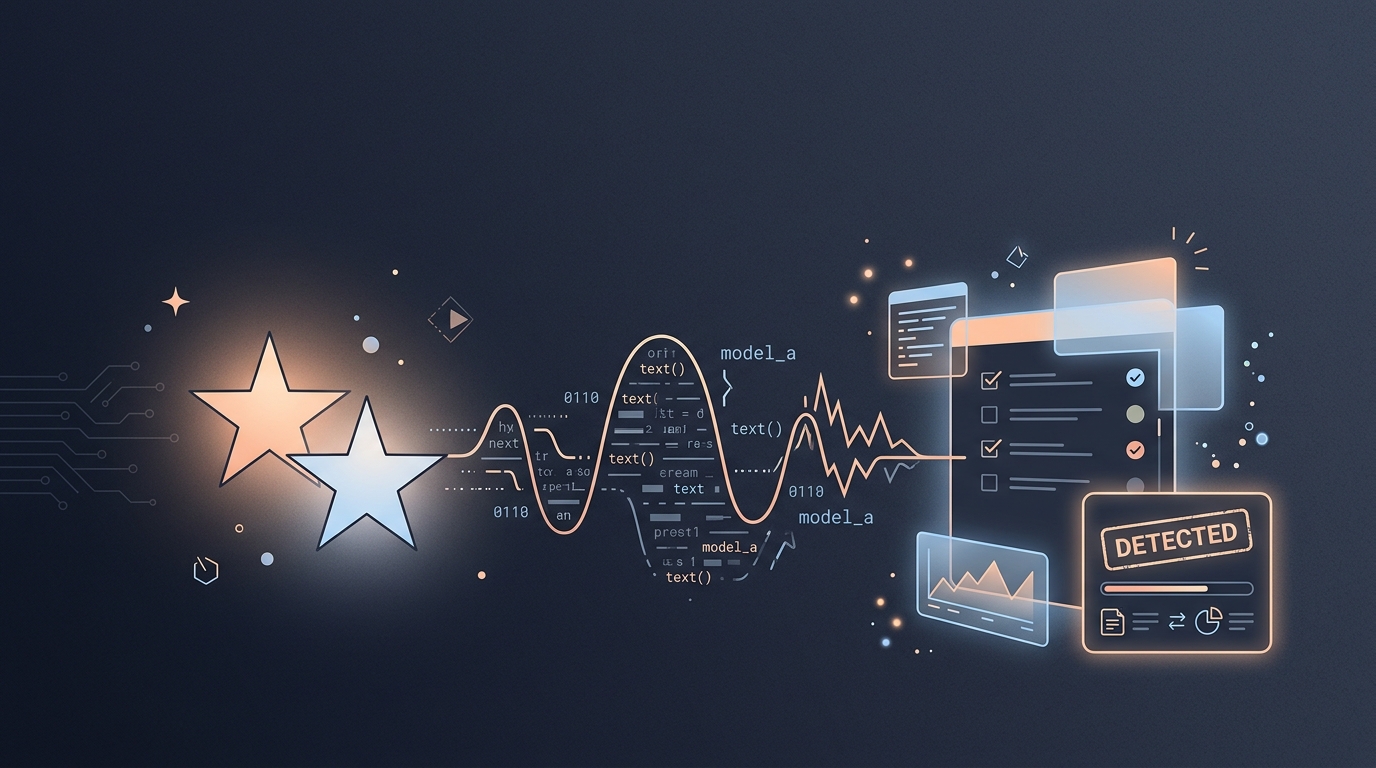
Gemini AI Detection Guide
How Gemini-assisted drafts show up in review
Gemini writing may appear in research summaries, SEO drafts, classroom assignments, and business reports. The strongest review checks whether the text is supported by verifiable sources and whether it reflects the writer's actual judgment.
Use the Gemini detector with AI detector accuracy and false-positive guidance.
Checklist
Look for source mismatch, generic summaries, unsupported claims, and abrupt changes in tone. Compare passages with known writing samples and ask for disclosure context when policy requires it.
FAQ
Can Gemini text be edited enough to avoid detection?
Heavy editing can change signals, but responsible review should focus on authorship context, evidence, and disclosure rather than avoidance.
Is a high score enough for action?
No. Treat it as a reason to review, not a final decision.
Review checklist for model-specific detection
Use this guide as part of a broader writing-integrity workflow. Compare the detector score with the assignment brief, publication policy, author notes, draft history, citation quality, and the level of factual specificity in the text. A high-risk result should trigger review, not an automatic accusation.
- Look for generic phrasing, repeated transitions, and claims without sources.
- Ask the writer for context when the result affects grades, publication, or employment decisions.
- Document the final decision and the evidence used to reach it.
Frequently asked questions
Can GPTZeroAI prove which model wrote a passage? No detector can prove model origin with certainty. The goal is to surface AI-likelihood signals and help reviewers decide what needs closer inspection.
Should teams rewrite text only to lower a score? No. Revisions should improve clarity, sourcing, examples, and accountability. GPTZeroAI should support responsible review rather than attempts to hide AI involvement.
Frequently Asked Questions
How is detecting Gemini writing different from detecting other AI models?
The underlying signals are similar across models, so most detectors do not rely on a single Gemini-specific fingerprint. What helps is pairing the score with model-aware context, such as fluent but generic summaries and confidently stated claims that lack verifiable sources.
Does a high Gemini detection score mean the student or writer cheated?
No. A high score is a reason to review the work more closely, not proof of misconduct. Always combine it with authorship context, draft history, and a conversation with the writer before making a grading or publication decision.
What manual checks confirm a suspected Gemini-assisted draft?
Verify that cited sources actually exist and support the claims, look for abrupt tone shifts and repeated transitions, and compare the passage with the author's known writing samples. Source verification is usually the most reliable signal because Gemini drafts often include plausible-sounding but unsupported facts.
Can Gemini text be edited enough to avoid detection?
Heavy paraphrasing and human editing can lower a detector's confidence, which is why avoidance should not be the focus. Responsible review weighs evidence, sourcing, and disclosure rather than treating the score as a pass-or-fail gate.
Share
Related Posts
AI Detection
A fair, factual comparison of how Turnitin and GPTZeroAI approach AI detection, with a focus on workflow, transparency, and evidence reviewers can act on.
Jun 24, 2026
AI Detection
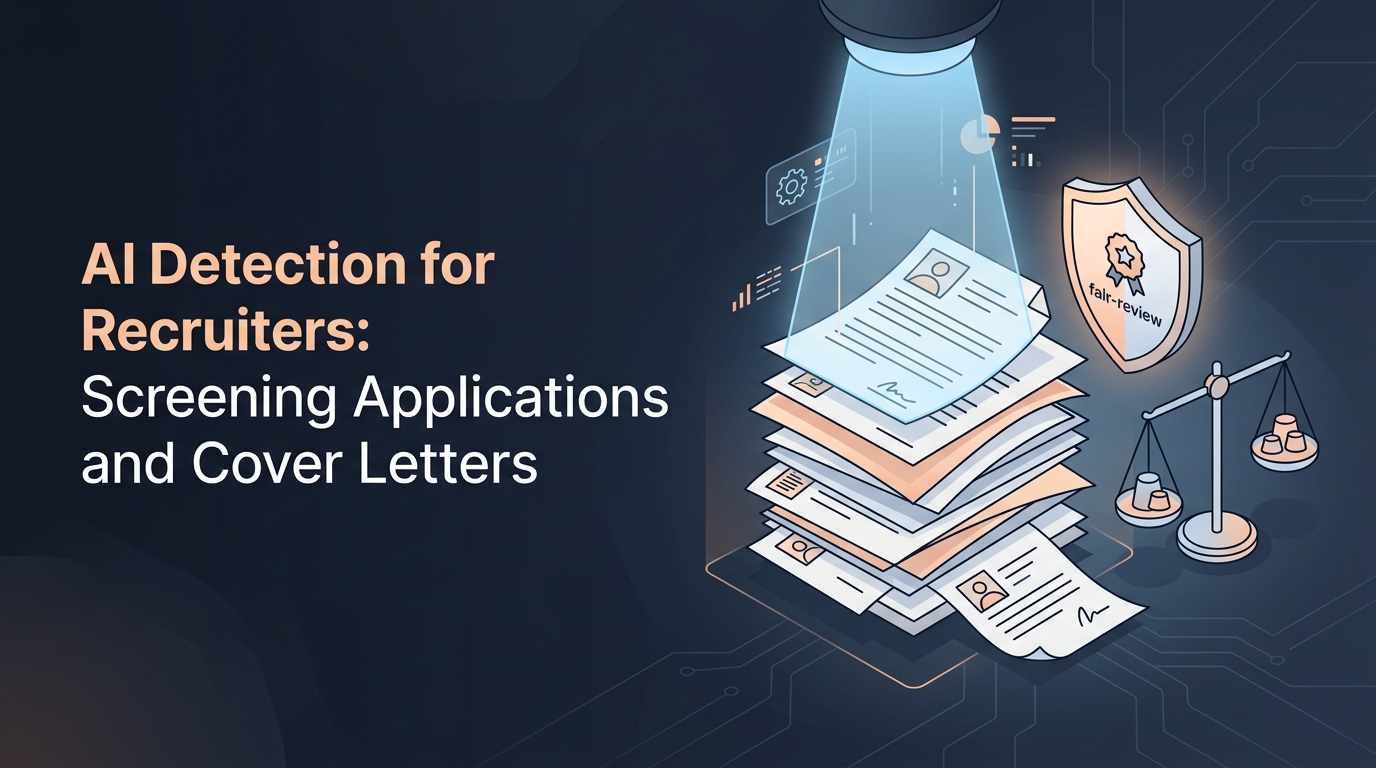
AI-assisted applications are now common. Learn how recruiters can use AI detection as a fair signal in resume and cover letter screening without auto-rejecting candidates.
Jun 24, 2026
AI Detection
ChatGPT, Claude, and Gemini each leave different writing fingerprints. Here is what actually changes detectability, and why no model is reliably invisible.
Jun 24, 2026