Academic Writingpublished on May 31, 2026
University AI Detection Policy Checklist for 2026
Policy before enforcement
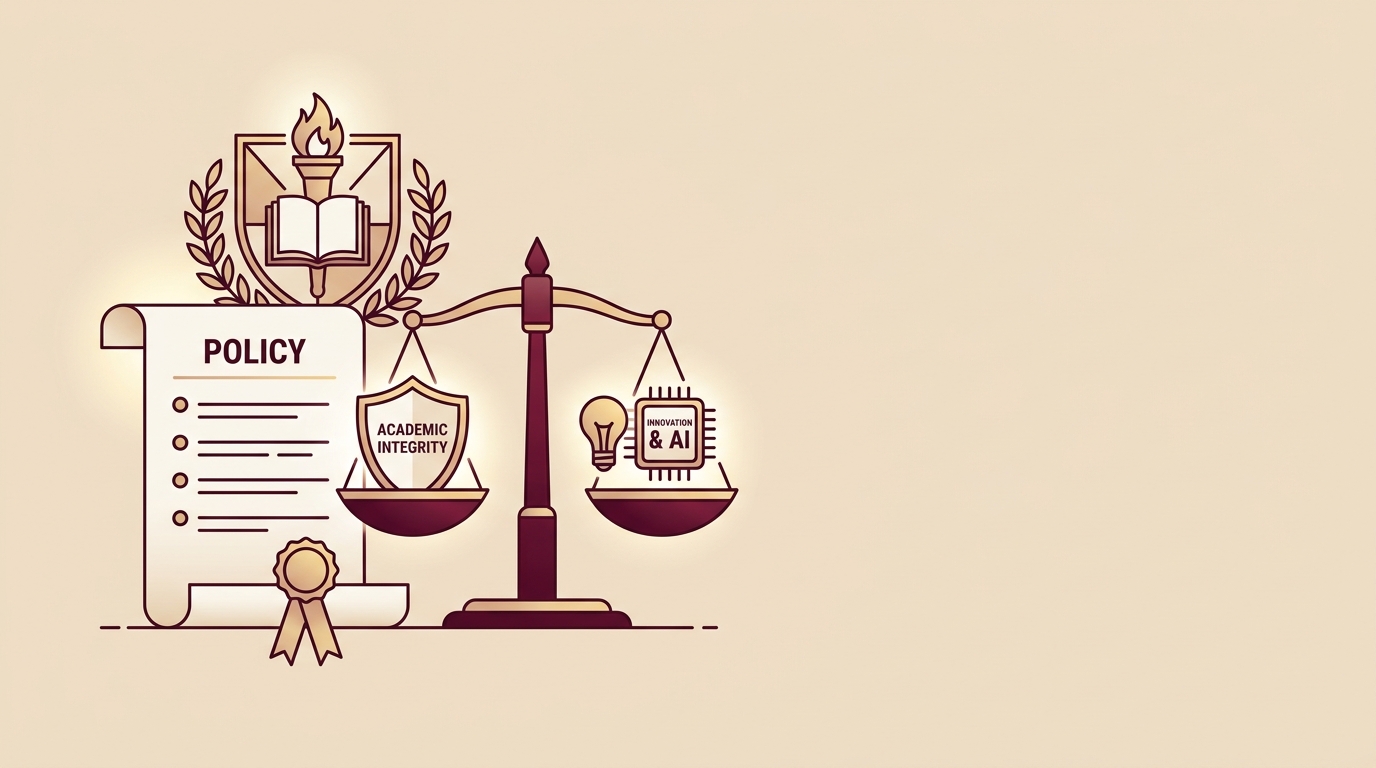
Universities should define AI-use expectations before disputes happen. A policy should explain allowed assistance, disclosure language, detection triggers, review steps, appeal options, and recordkeeping.
Pair this checklist with academic integrity workflows, AI disclosure guidance, and methodology.
Checklist
Define acceptable AI use. Explain when disclosure is required. Tell students what evidence may be reviewed. Train faculty on false positives. Give students a way to explain their writing process. Keep consistent records across departments.
FAQ
Should policy mention detectors by name?
Policies can mention approved tools, but they should also define how results are interpreted and reviewed.
What is the biggest risk?
The biggest risk is treating detection as punishment instead of a structured review process.
Implementation checklist
Publish the policy in student-facing language. Add examples of acceptable and unacceptable AI assistance. Train reviewers on false positives. Define who can see detection results. Create an appeal path. Review the policy every term as writing tools and institutional expectations change.
The best policy is usable during a real grading dispute, not only readable in a handbook.
Frequently Asked Questions
How often should a university update its AI detection policy?
Review the policy at least once each term, because AI writing tools and student expectations change quickly. A short, scheduled review keeps your disclosure language and acceptable-use examples accurate instead of letting them drift out of date.
Can a university discipline a student based only on an AI detector score?
No. A detector score should trigger a structured review, not a verdict, because tools like GPTZero can produce false positives. Pair the score with the student's writing process, drafts, and an opportunity to explain before any decision is made.
What should an AI disclosure statement actually ask students to do?
It should ask students to name which AI tools they used and how they used them, such as brainstorming, grammar checking, or drafting. Clear disclosure language removes guesswork and gives reviewers a consistent record to evaluate.
Who should be allowed to see AI detection results?
Limit access to the instructor, the relevant academic-integrity reviewer, and the student involved. Restricting visibility protects student privacy and keeps detection results from being shared informally or used outside the formal review process.
Share
Related Posts

Academic Writing
A practical, fair-minded guide to writing classroom AI policy: treat detector scores as signals, protect due process, and build a review workflow students can trust.
Jun 24, 2026
Academic Writing
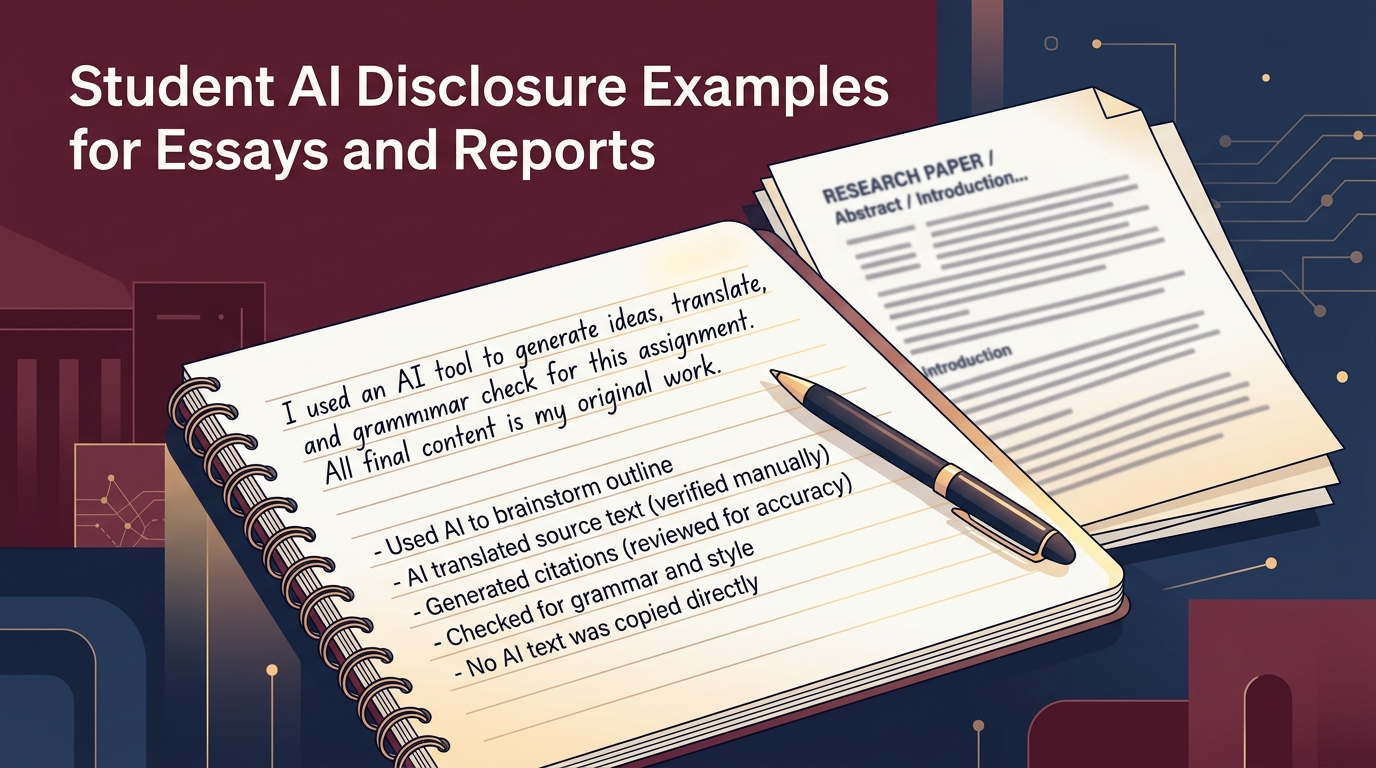
Examples of student AI disclosure statements for brainstorming, outlines, grammar review, translation, citation support, and draft revision.
May 31, 2026

Academic Writing
A practical AI detection policy template covering allowed AI use, disclosure, evidence review, false positives, appeals, and documentation.
May 31, 2026